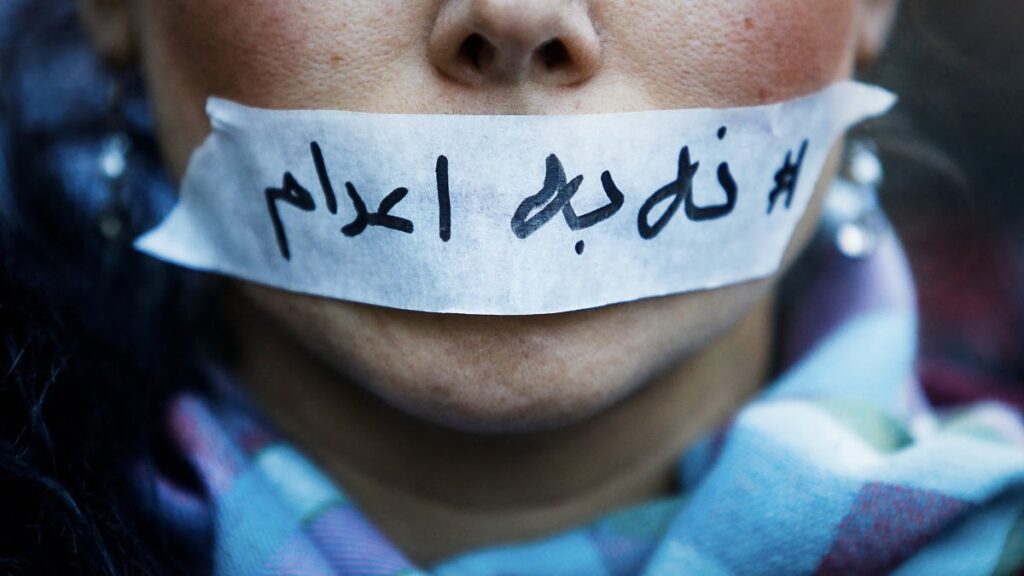
Between March 18 and the end of August 2026, Iranian authorities executed at least 29 individuals arrested in connection with protests, according to a joint report by Human Rights Watch and the Abdorrahman Boroumand Center for Human Rights in Iran. The organizations stated that these executions constitute illegal attacks on the right to life, violating international law through the use of summary proceedings and coerced confessions.
Summary Trials and Coerced Confessions
The report details that since March 2026, authorities have arbitrarily executed at least 59 men on vague, politicized national security charges. Of these, 29 were detained following the December 2025 and January 2026 protests, while three were linked to the 2022 “Woman, Life, Freedom” movement. Many of those executed were teenagers aged 18 or 19, with others in their early twenties. Five executions were carried out publicly to instill fear, a practice the organizations condemned as a severe escalation.
Bahar Sabbagh, a senior researcher for Iran at Human Rights Watch, stated that authorities are sending protesters, including minors, to the gallows based on confessions extracted through torture and unfair procedures. She emphasized that the message from the state is clear: protests will be met with brutality, whether through street shootings or public executions following show trials.
Legal Violations and Specific Cases
The organizations reviewed evidence from 12 interviews, including human rights defenders, journalists, and former detainees, alongside official statements and videos of forced confessions. They noted that the vast majority of protesters were executed within six months of their arrest, denying them adequate time to prepare a defense. Specific cases highlighted include Sasan Azadpour Jangani, a karate champion executed in less than four months for allegedly breaking police bus windows, and Amir Hossein Hatami, an 18-year-old executed after 84 days in custody.
International law restricts the death penalty to the most serious crimes, typically intentional homicide. However, in 16 of the 29 cases reviewed, no murder allegations were present. Defendants were convicted under broad charges such as “war against God” (Moharebeh) or “corruption on earth,” often without proof of actual involvement in killings. Additionally, eight protesters were convicted under a 2025 espionage law that expanded punishable acts and reduced procedural deadlines, effectively accelerating executions without evidence of spying.
Ongoing Threats and Suppression
Despite these findings, the risk remains acute. Amnesty International identified 60 people, including three children, facing imminent execution as of late July. Other groups estimate over 70 protesters face the death penalty in Isfahan prison alone. The climate of fear has been exacerbated by a July directive from the Ministry of Intelligence, which labeled hundreds of media outlets and activists as enemies, criminalizing contact with them. This has silenced families and hindered international advocacy efforts aimed at saving lives.
This report was produced by the HuMedia newsroom.