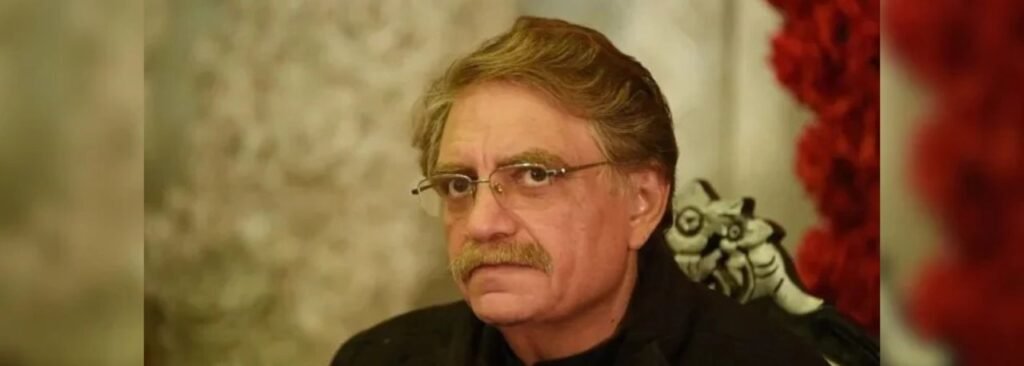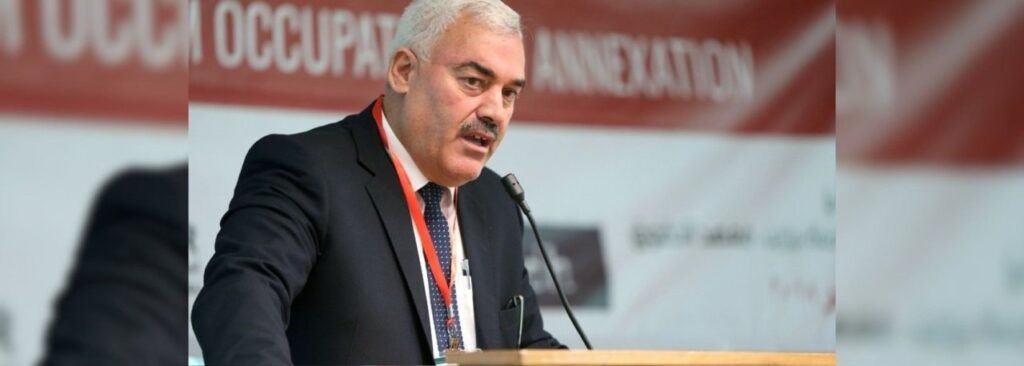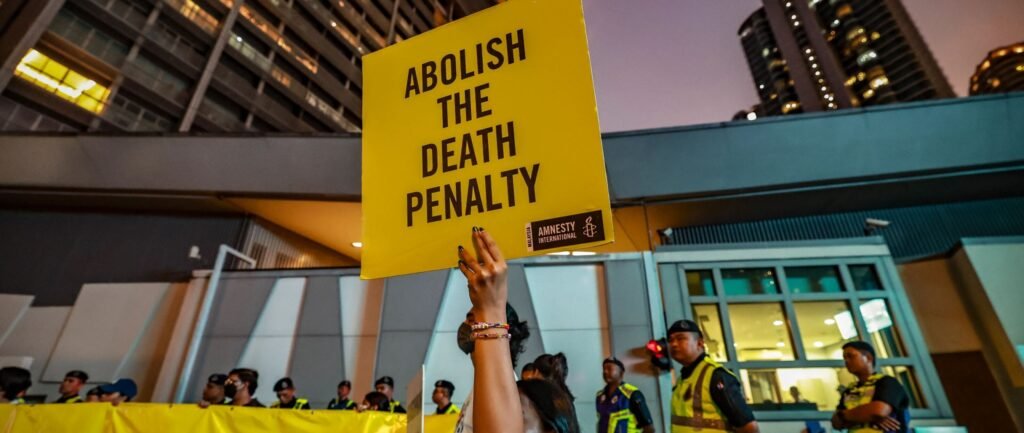
Duaa Dahini has worked with the European Saudi Organization for Human Rights (ESOHR) for more than ten years. The organization was established by activists living in exile due to repression against human rights defenders in Saudi Arabia. Dahini documents the use of the death penalty and collaborates with families awaiting execution to save lives.
The Shock of Execution
In January 2016, Saudi Arabia executed Sheikh Nimr al-Nimr, who had publicly demanded social justice and rights. Dahini knew he was sentenced to death and followed his trial closely, but she did not expect the sentence to be carried out. She believed political intervention or fear of backlash would prevent it. When the news arrived, she could not comprehend it. “Did they really kill him? Why execute him despite appeals?” she asked, finding no clear answers.
This event changed her understanding of her work. Over the years, the organization documented cases involving individuals sentenced to death for actions committed as children. They reviewed court papers, monitored violations, and communicated with families, always hoping that an intervention or review would prevent the end.
Broken Promises and Hussein Abu Khair
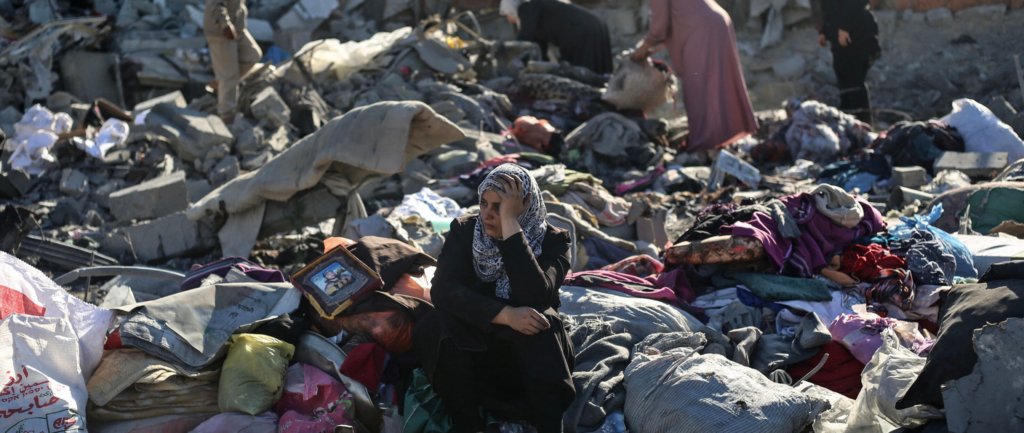
In April 2019, Saudi Arabia carried out a mass execution including people whose families Dahini contacted, some of whom were accused of protesting or were children at the time of the alleged acts. Families struggled to believe the news, asking about bodies as if disbelief could change reality.
One such case was that of Jordanian citizen Hussein Abu Khair. His family connected with Dahini early in her work. They examined court documents and found indicators of a violation of his right to a fair trial. For years, they explained his situation and supported his family in reaching international bodies, including the European Parliament and the United Nations. In January 2021, the Saudi Human Rights Commission announced a pause on executing drug-related sentences. This gave hope that Hussein would be saved. However, in November 2022, Saudi Arabia resumed executions for drug crimes. In March 2023, Hussein Abu Khair was executed. His family sent a message screaming that he had been killed. Dahini felt that all their efforts had failed, questioning how authorities could make such promises and then proceed with the execution.
Continuing the Fight
In 2024 and 2025, record numbers of executions were recorded, making contact with families more difficult due to arrests and harassment of human rights defenders. Some families lost hope, and organizations faced challenges in locating them. Yet, one call can change everything. A family member told Dahini that even if their son is executed, they want the world to know what is happening. This request ensures that stories are not lost. Documentation preserves names, proves violations, and lays the foundation for demanding justice. The work continues because there are those who ask to be heard, and because the goal is to prevent the next execution.
This report was produced by the HuMedia newsroom.