Global Solidarity Through Education
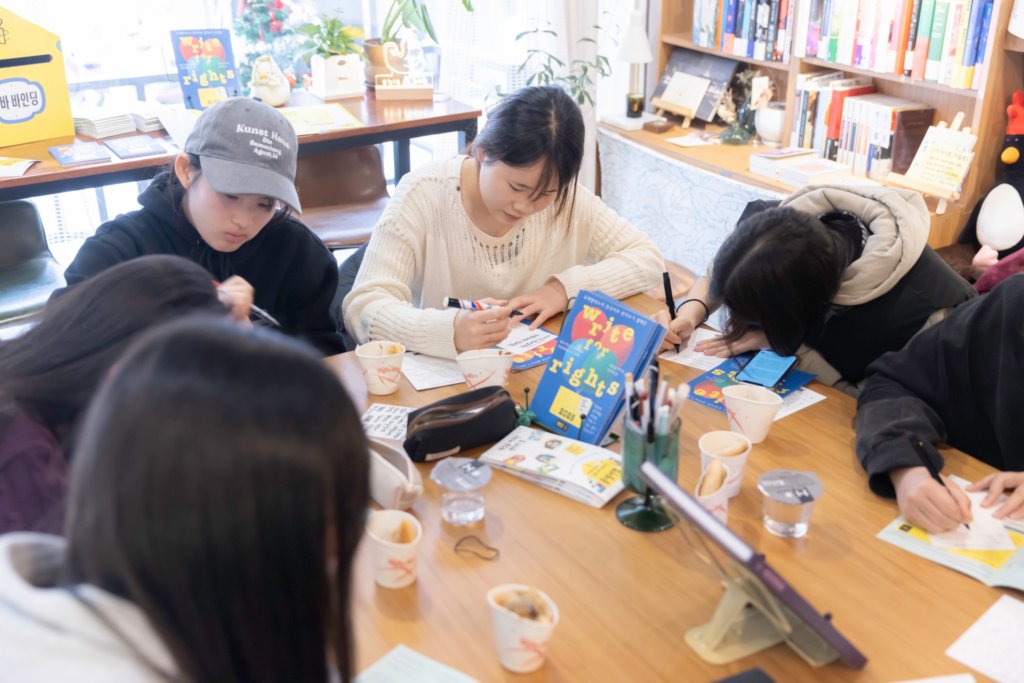
Every year around December 10, Human Rights Day, Amnesty International’s Write for Rights campaign unites millions of people globally to stand in solidarity with individuals and communities facing human rights violations. Participants write letters, sign petitions, create art, and learn together to demand justice. These collective actions have consistently changed lives, demonstrating that borders do not hinder solidarity and that words possess the power to inspire hope and drive change.
Education on human rights serves as a fundamental pillar of this movement. Beyond taking action, participants gather to understand the underlying issues behind each case of individuals at risk, reflect on the importance of human rights, and explore how solidarity contributes to their protection. The 2026 Write for Rights education resources aim to assist teachers, educators, and facilitators in engaging learners in meaningful human rights learning while supporting informed action.
Flexible Modular Structure
These resources are designed for use in classrooms, community groups, youth organizations, activist circles, and other learning environments. They feature a flexible structure that allows educators to adapt content to various target audiences, lesson durations, and educational contexts. Each resource follows a three-part modular framework, enabling the delivery of a comprehensive 60-minute learning path or the use of individual 20-minute units as standalone activities. Facilitators are encouraged to tailor each activity based on the group’s prior knowledge, age range, learning needs, available time, and whether sessions are conducted in person or online.
Case Studies and Key Themes
This year’s materials address three interconnected human rights topics through real-life cases from the Write for Rights campaign worldwide. Learners will explore the stories of Rokiatou Doumbia from Mali, Ruth Eleonora López from El Salvador, Imaan Mazari and Hadi Ali Chattha from Pakistan, and Al-Hammami from Tunisia. These cases highlight the importance of freedom of expression, defending rights, and confronting injustice, illustrating how individuals face punishment for expressing opinions, criticizing authorities, disclosing information, or publicly advocating for human rights both online and offline.
The curriculum also examines the experiences of Owen Chow from Hong Kong, Daria Egereva from Russia, and Marwa Arafa from Egypt. These stories focus on the significance of gathering, organizing, defending communities, celebrating identity, and participating in public life, while exploring restrictions on collective organization and civil society movements.
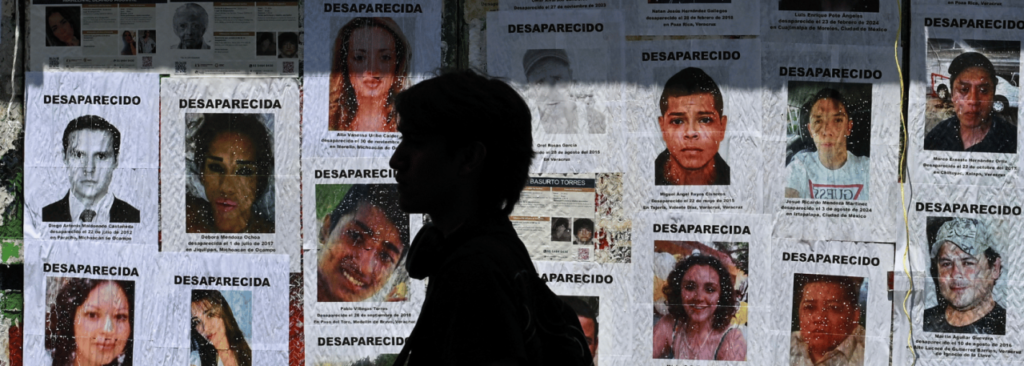
Finally, the resources cover the case of Humphrey Polepole from Tanzania to emphasize legal safeguards, fair treatment, and justice when freedom is at risk. This section investigates systemic failures where legal systems cannot protect individuals, focusing on rights against arbitrary detention, torture, enforced disappearance, and other grave violations by state authorities. By combining learning, reflection, and action, these resources help students understand the nature of human rights and the necessity of protecting them for everyone.
This report was produced by the HuMedia newsroom.