(Istanbul) – Human Rights Watch has called on governments participating in the 31st annual United Nations Climate Change Conference (COP31) to take immediate action to protect the rights of communities displaced by the climate crisis. The organization emphasized that negotiations must ensure meaningful participation for civil society groups and prioritize the needs of local populations most exposed to climate impacts, rather than corporate interests.
COP31 is scheduled to take place in Antalya, Turkey, from November 9 to 20, 2026. The conference will be co-presided over by Turkey and Australia, representing the Pacific region. Maria Laura Canineo, Deputy Director of the Environment Program at Human Rights Watch, stated that escalating climate effects are already uprooting entire communities, yet those bearing these consequences are frequently excluded from decisions determining their futures. She urged governments in Antalya to place affected local communities at the center of climate action by ensuring adaptation funding reaches displaced populations and by defending civic space to hold government leaders accountable.
The organization’s priorities for COP31 are grounded in years of field research involving interviews with displaced residents, indigenous leaders, environmental defenders, and civil society activists. Approximately 3.5 billion people currently live in areas highly vulnerable to climate change impacts. The Intergovernmental Panel on Climate Change has warned that even with urgent emission reductions, temperatures will continue to rise, making living conditions increasingly unsafe, particularly for indigenous peoples.
At the conference, Human Rights Watch will screen “Solwara,” a 25-minute mixed-reality documentary narrated by actor and human rights advocate Mark Ruffalo. The film is based on the organization’s research regarding Valandé, a community in the Solomon Islands forced to plan relocation due to storm surges and sea-level erosion. While population transfers have begun to countries including Panama, Senegal, and the Philippines, few nations have national policies protecting the rights of resettled communities, and climate finance rarely reaches them directly. This lack of policy and funding often exposes resettled populations to new human rights risks.
Human Rights Watch called for a significant increase in total financing for climate adaptation, including planned relocation, ensuring that indigenous peoples and vulnerable groups receive direct funding to exercise their collective right to self-determination. Financing mechanisms must include safeguards treating relocation as a last resort, requiring free, prior, and informed consent, and guaranteeing adequate housing, livelihoods, food, education, healthcare, and cultural preservation.
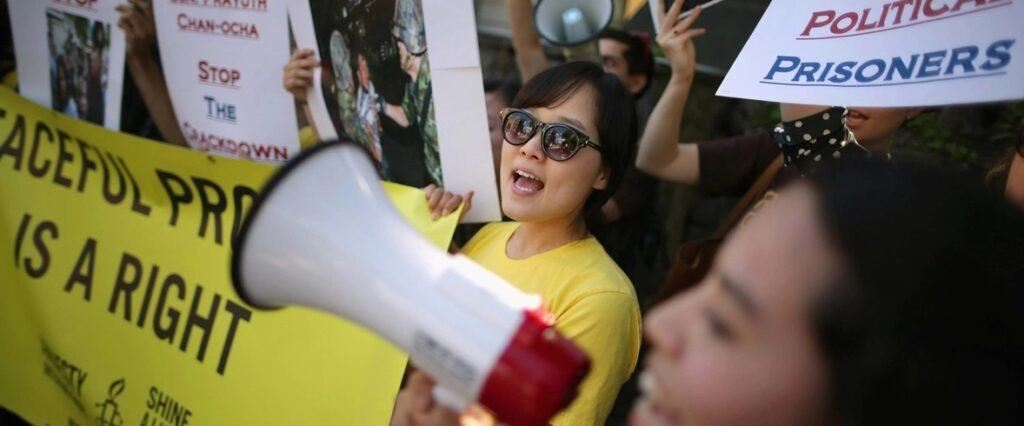
Concerns have also been raised regarding Turkey’s domestic record on civil liberties. Deniz Birer, a researcher for Europe and Central Asia at Human Rights Watch, noted that the Turkish government has ignored environmental protection measures and cracked down on locals protesting environmental damage. She urged participating states to condemn the suppression of environmental defenders in Turkey and affirm that civil society participation is essential for achieving the conference’s objectives. Previous UN climate summits have been marred by arbitrary registration barriers, surveillance, and detention of activists.
Despite scientific consensus limiting warming to 1.5 degrees Celsius requiring an end to new oil, gas, and coal projects, the joint presidency of Turkey and Australia has not called for abandoning fossil fuels. Turkey continues plans to expand coal-fired power plants despite court rulings rejecting flawed environmental impact assessments, while Australia has expanded its coal sector despite a high court ruling holding the state responsible for emissions from exported coal. Human Rights Watch highlighted that burning coal produces severe air pollution harming public health, particularly among children, the elderly, and those with chronic illnesses. Under international human rights law, including the International Covenant on Civil and Political Rights and the European Convention on Human Rights, authorities are legally bound to protect the rights of all participants to freedom of expression, association, and peaceful assembly within and outside the conference venue.
This report was produced by the HuMedia newsroom.