Denial of Entry Despite Court Order
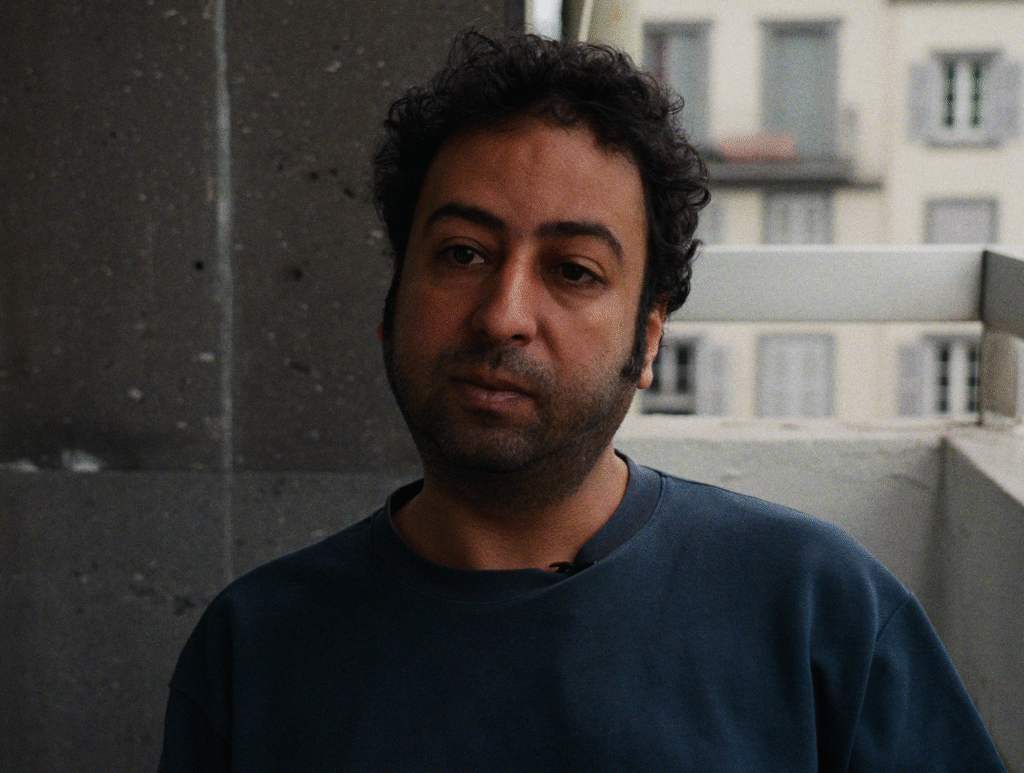
The Observatory for the Protection of Human Rights Defenders, a partnership of the International Federation for Human Rights (FIDH) and the World Organisation Against Torture (OMCT), has reported new details regarding the arbitrary restriction of freedom of movement for Brian Kagoro. Kagoro, a constitutional lawyer and Africa Director of the Open Society Foundations (OSF), was prevented from entering Kenya on 15 September 2026, despite a specific directive from the High Court of Kenya.
Kagoro had traveled from South Africa via Addis Ababa, Ethiopia, intending to return to Kenya to attend proceedings concerning his detention and deportation earlier in the year. While aboard a flight bound for Nairobi in Addis Ababa, Ethiopian security personnel removed him from the aircraft. He was questioned and barred from reboarding, subsequently returning to South Africa. The circumstances and legal basis for this removal have not been publicly clarified by authorities.
Legal Context and Previous Detention
The attempted return occurred after the High Court of Nairobi issued a conservatory order on 8 June 2026. The order stipulated that Kagoro was free to enter Kenya provided he complied with immigration laws applicable to other Zimbabwean nationals. The Court directed the Kenya National Commission on Human Rights (KNCHR) to supervise compliance and designate an officer to facilitate oversight of his admission and movement within the country. This ruling was part of a constitutional petition challenging Kagoro’s prior detention and deportation.
Following his removal from the flight, Kagoro’s legal team returned to the High Court to seek enforcement of the order. The Court subsequently directed Attorney General Dorcas Oduor to explain why Kagoro continued to be denied entry despite the existing judicial mandate, granting her 14 days to respond.
This incident follows a previous event on 22 February 2026, when Kenyan security authorities denied Kagoro entry at Jomo Kenyatta International Airport in Nairobi. Officers from the National Intelligence Service (NIS) held him for more than 10 hours, questioning him over allegations of financing and coordinating protest activities. During this period, he was denied access to a lawyer and prevented from contacting family or colleagues. Immigration officials later issued a removal order authorizing his return to Johannesburg, citing Section 54 of the Kenya Citizenship and Immigration Act of 2011, without providing written factual explanations. No formal charges were brought against Kagoro, who rejected the allegations.
Regional Concerns and Calls for Action
The Observatory highlights that this case reflects increased transnational repression in East Africa, involving cooperation between governments to attack human rights defenders and restrict civic space. These developments occur amid heightened scrutiny by Kenyan authorities of civic actors and alleged foreign involvement in protest movements, particularly following the 2024 nationwide demonstrations against the Finance Bill.
The Observatory also recalled the deportation of Martin Mavenjina, a senior legal advisor at the Kenya Human Rights Commission (KHRC), from Kenya in July 2025. These events raise serious concerns about the protection of civic space in Kenya and the ability of civil society actors to operate without interference.
The Observatory emphasizes that Kenya must comply with its obligations under international and regional human rights law, including Articles 9, 12, 19, 21, and 22 of the International Covenant on Civil and Political Rights (ICCPR), and Articles 9, 10, and 11 of the African Charter on Human and Peoples’ Rights (ACHPR). Furthermore, Article 47 of the Kenyan Constitution guarantees the right to fair administrative action, including the right to written reasons where rights are adversely affected.
The Observatory calls on Kenyan authorities to fully respect the High Court order of 8 June 2026 and refrain from arbitrary measures restricting Kagoro’s freedom of movement or preventing his participation in judicial proceedings. It urges immediate compliance with the court’s directive and a transparent, legally reasoned explanation for the actions taken by Ethiopian security personnel.
This report was produced by the HuMedia newsroom.