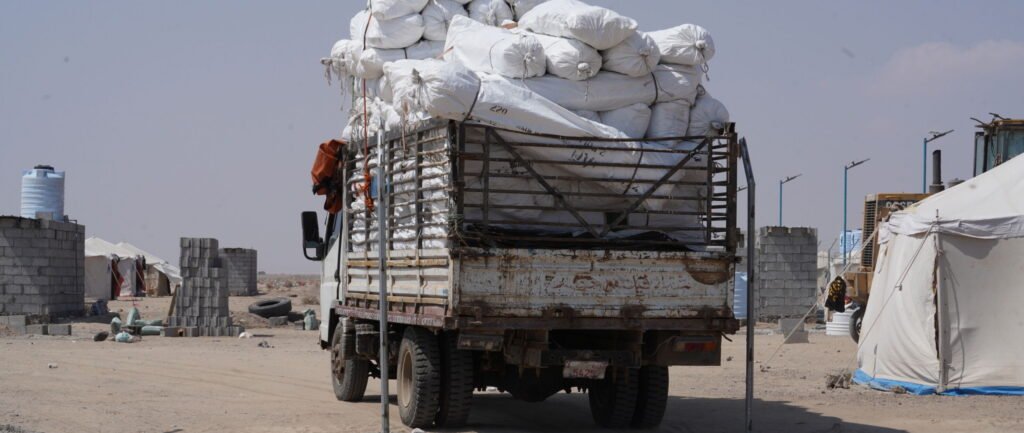
Tens of thousands of people, children among them, have crossed from Morocco into the Spanish enclave of Ceuta, and reports have put the number of deaths at 43. Responding on 31 July 2026, Amnesty International called on the Spanish and Moroccan authorities to place their human rights obligations at the centre of how they handle the situation.
Esteban Beltrán, who directs the organisation’s Spanish section, said it was watching the situation closely and that both governments had to put their human rights commitments at the heart of their response.
The figure of 43 deaths was presented as reported information rather than a confirmed toll.
A land border between two continents
Ceuta is a Spanish city on the north African coast, ringed on land by Moroccan territory. Together with Melilla it makes up one of only two land frontiers between Spain and Morocco, and so between the European Union and the African continent. That geography is what distinguishes it from the long sea routes across the western Mediterranean: the crossing can be made overland from the Moroccan side.
The standards that apply at a border
International and European law prohibit collective expulsion. Each person’s situation must be assessed individually before any return can take place, and unaccompanied children are owed specific protection. These are the standards that govern how states are expected to respond when large numbers of people reach a frontier at once, and they are the reference point of the demand addressed to the two governments.
This report was produced by the HuMedia newsroom.