Global Crisis and Vulnerable Populations
In observance of World Mental Health Day, Human Rights Watch has issued a stark reminder regarding the enduring psychological scars inflicted by armed conflicts worldwide. The organization notes that as wars proliferate, the resulting trauma creates permanent disruptions in the lives of affected populations. For many survivors, insecurity, shock, anxiety, and confusion have become normalized realities. Despite these widespread impacts, mental health services remain critically insufficient. Estimates indicate that more than one-fifth of populations affected by conflict suffer from mental health conditions, including post-traumatic stress disorder, depression, and anxiety.
Compounding Barriers for Children with Disabilities
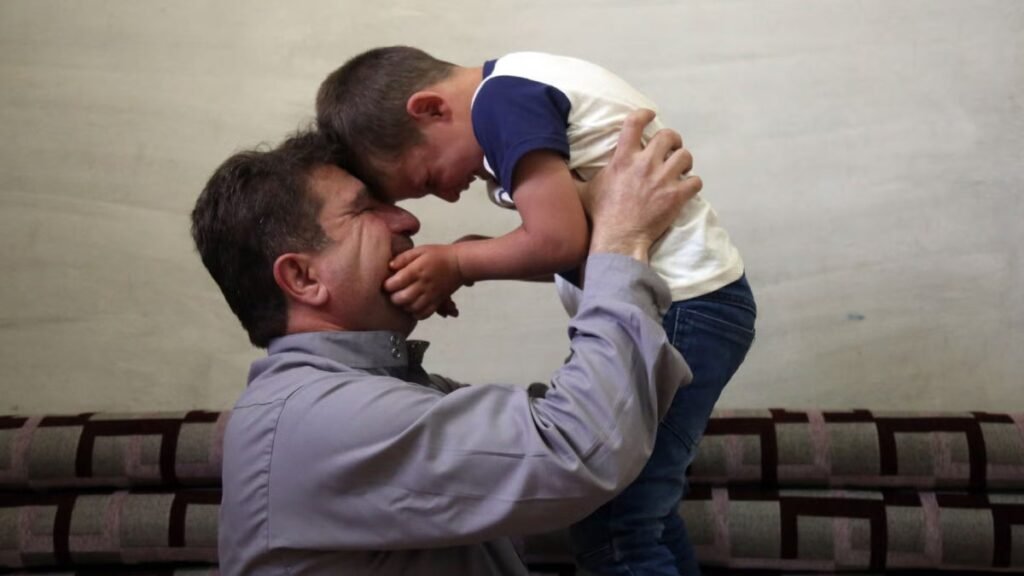
The report emphasizes that individuals with intellectual disabilities, particularly children, face exacerbated harms due to social, behavioral, and environmental barriers that interact with their impairments. These factors significantly increase their exposure to violence and exclusion. In Syria, the impact of war on a 13-year-old boy with an intellectual disability was documented in 2020. His father described how the conflict intensified the child’s isolation, noting that he would sit alone and refuse to interact with other children. The father also highlighted the pervasive fear among his other children, stating they saw no hope for the future.
Systemic Exclusion from Aid
Human Rights Watch documents that people with intellectual and other disabilities are frequently excluded from humanitarian assistance and mental health services, even when such services are available to others. This exclusion stems from communication barriers, a lack of accessible information, and inadequate communication support. The organization has recorded similar gaps in comprehensive psychological support for persons with disabilities in other active conflict zones, specifically citing Gaza and Sudan.
Recommendations for Inclusive Support
To address these critical gaps, the report urges governments to integrate disability-inclusive mental health support during both conflict and recovery phases, aligning with international obligations. Humanitarian agencies providing these services must take concrete steps to ensure their programs are inclusive and do not exclude persons with disabilities. Recommended measures include providing accessible communication tools, such as illustrations and play therapy for children, and training staff to deliver inclusive support.
Furthermore, the report suggests equipping facilities with sensory regulation tools, including weighted blankets, pressure balls, and noise-canceling headphones, to help manage sensory overstimulation. While policies for accessible and inclusive mental health care cannot erase the trauma of war, they can create the necessary conditions for recovery, integration, and hope for the future.
This report was produced by the HuMedia newsroom.