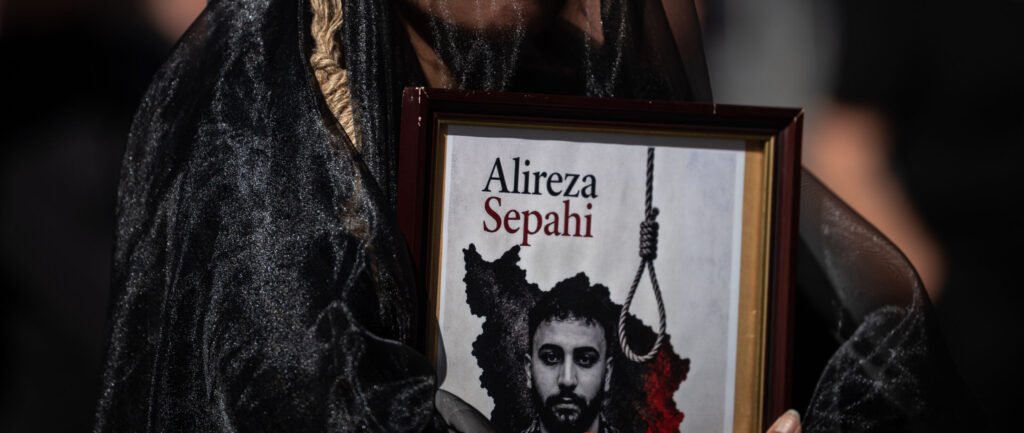
Amnesty International has issued an urgent condemnation following the execution of five individuals in Iran between September 30 and October 5, 2026. The executions were carried out against the backdrop of the January 8, 2026 protests, with the victims identified as Ali Hamedi Sistani, Ali Reza Raeisi, Ali Reza Sepehi, Majid Nikandish, and Siavash Jamshidi Kherabadi. Diana Al-Tahawi, Deputy Director of Amnesty International’s Middle East and North Africa Regional Office, described the events as a terrifying reminder of how Iranian authorities utilize capital punishment to instill fear and suppress dissent.
Flawed Trials and Coerced Confessions
The executions followed judicial processes that Amnesty International characterized as fundamentally unjust. Reports indicate that the defendants were denied access to legal counsel during interrogation sessions and were subjected to allegations of torture and ill-treatment. Authorities relied heavily on televised confessions extracted under duress as primary evidence for conviction. For instance, Ali Reza Sepehi reported enduring prolonged solitary confinement, beatings, and electric shocks while in custody. Similarly, Majid Nikandish was allegedly suspended by his arms, resulting in shoulder dislocation and a fractured jaw.
Specific Cases and Charges
Ali Reza Raeisi and Ali Reza Sepehi were executed in Isfahan on October 5, 2026. They were among the defendants in the collective trial known as “Meydan Ali Khani,” which stemmed from protests in Isfahan on January 8, 2026. State media, citing the Mizan News Agency, reported that they were convicted of charges including armed rebellion (Baghy), waging war against God (Hirabah) through brandishing weapons, and corruption on earth (Mofsed-e-filaraz). These charges were linked to alleged acts such as blocking roads, property destruction, arson, and the killing of four security personnel.
Majid Nikandish and Ali Hamedi Sistani were executed in Mashhad on September 30, 2026. They faced similar accusations regarding protests in their city on the same date in January. Authorities utilized forced confessions broadcast on television to secure their death sentences. Additionally, Siavash Jamshidi Kherabadi was executed in Shahrekord on October 3, 2026, convicted of Hirabah and conspiracy against national security based on coerced statements aired on state television.
Escalating Repression and Calls for Justice
These executions represent a sharp escalation in political killings following unauthorized US-Israeli attacks on Iran on February 28, 2026. To date, at least 34 people have been executed in connection with the January 2026 uprising, which saw widespread use of lethal force by security forces resulting in thousands of casualties. Amnesty International notes that dozens of others, including opposition figures and protesters, remain under threat of execution. The organization is calling for coordinated diplomatic pressure to halt all pending executions and urging the UN Security Council to refer the situation in Iran to the International Criminal Court, alongside the establishment of an international justice mechanism for Iran through the UN General Assembly.
This report was produced by the HuMedia newsroom.