The humanitarian crisis in Sudan continues to deepen more than three years after the outbreak of armed conflict between the Sudanese Armed Forces (SAF) and the Rapid Support Forces (RSF). The war, which began on 15 April 2023 as a power struggle, has resulted in 150,000 deaths, displaced 15 million people, and left 20 million facing acute famine. Since the initial clashes, attacks on civilians have become routine, characterized by mass killings, widespread displacement, sexual and gender-based violence, and targeted harassment of activists, journalists, and medical personnel.
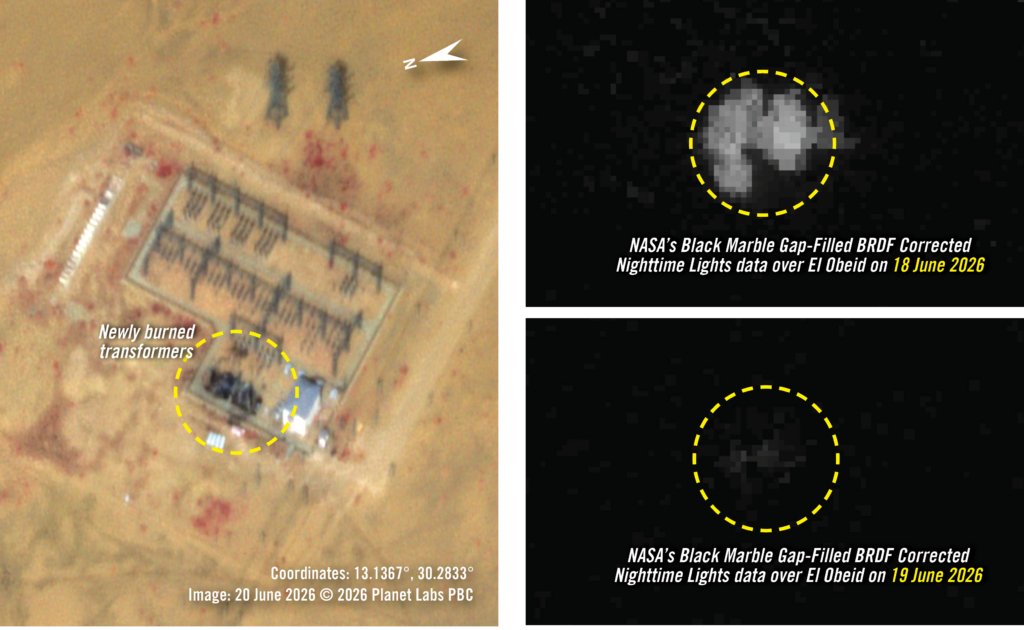
Regions such as Darfur and Kordofan have borne the brunt of these atrocities. The fall of El Fasher to the RSF on 26 October 2025 marked a significant escalation, ending an 18-month siege that involved crimes against humanity including ethnic cleansing, arbitrary detentions, and the use of starvation as a weapon of war. By mid-2026, intensified drone strikes and artillery shelling in North and South Kordofan raised fears that the devastation seen in El Fasher would be replicated in El Obeid, threatening to destroy life-sustaining services and trigger a broader humanitarian catastrophe.
Since 2023, the International Federation for Human Rights (FIDH) and its member organizations have consistently advocated for concrete European Union measures to halt these atrocities and hold perpetrators accountable. Their efforts focused on urging the EU to address the role of external actors fueling the conflict. In July 2026, this advocacy yielded results: the European Parliament passed a resolution concerning the situation in El Obeid, and the Council of the European Union imposed new sanctions on external actors breaching the United Nations arms embargo in Sudan.
FIDH’s campaign included diplomatic pressure during a Foreign Affairs Council meeting in April 2024, where it called for urgent human rights protections. In April 2025, FIDH joined 12 other NGOs in demanding civilian protection. Simultaneously, the organization pushed for independent investigations by the UN Human Rights Council and the African Commission for Human and Peoples’ Rights (ACHPR), both of which have documented massive violations since 2024.
Highlighting the involvement of European nations like Germany, Ireland, the Netherlands, Norway, and the UK in the Sudan Core Group, FIDH urged the EU to act on findings from UN Fact-Finding Missions. Despite key conclusions adopted by the EU’s Foreign Affairs Council in October 2025 and calls for accountability from the European Parliament in November 2025, responses were deemed insufficient relative to the gravity of the crimes.
In April 2026, ahead of an international conference in Berlin, FIDH specifically called on the EU to demand that countries, including the United Arab Emirates (UAE), respect the UN Security Council arms embargo on Darfur by halting all weapons transfers to SAF, RSF, and other armed groups. This was followed by meetings organized by Chatham House with the Irish Presidency of the EU in May 2026, and a workshop at the European Parliament in June 2026 examining the role of external forces in sustaining the conflict.
This report was produced by the HuMedia newsroom.