Between March 2012 and January 2013, armed groups including jihadists and rebels seized control of Gao, Kidal, and Timbuktu in northern Mali. These factions imposed Sharia law and subjected the local population to imprisonment, enslavement, flogging, torture, forced conscription, and sexual violence, acts that constitute war crimes and crimes against humanity. The International Federation for Human Rights (FIDH) initiated investigations in 2012 to document these violations, identify victims, and collect testimonies for judicial proceedings.
Evidence Gathering and Legal Complaints
A July 2012 report by the FIDH detailed a “campaign of rape” targeting women and girls in Gao and Timbuktu. The investigation noted that sexual crimes primarily affected women from Black communities and were accompanied by racially based insults, indicating targeted attacks on a specific civilian segment. Drissa Traoré, Secretary-General of FIDH, stated that fact-finding missions would be decisive in securing recognition for victims of sexual crimes by the international justice system in 2026.
In November 2014, the FIDH and six Malian partner organizations lodged a complaint with the Court of First Instance of Commune III in Bamako on behalf of 80 women and girls. Subsequently, in March 2015, they filed another complaint with the High Court of Bamako’s Commune III against 15 alleged perpetrators, including Al Hassan Ag Abdoul Aziz Ag Mohamed Ag Mahmoud, known as Al Hassan, the Islamic commissioner of Timbuktu and a member of Ansar Dine.
ICC Proceedings and Judgment
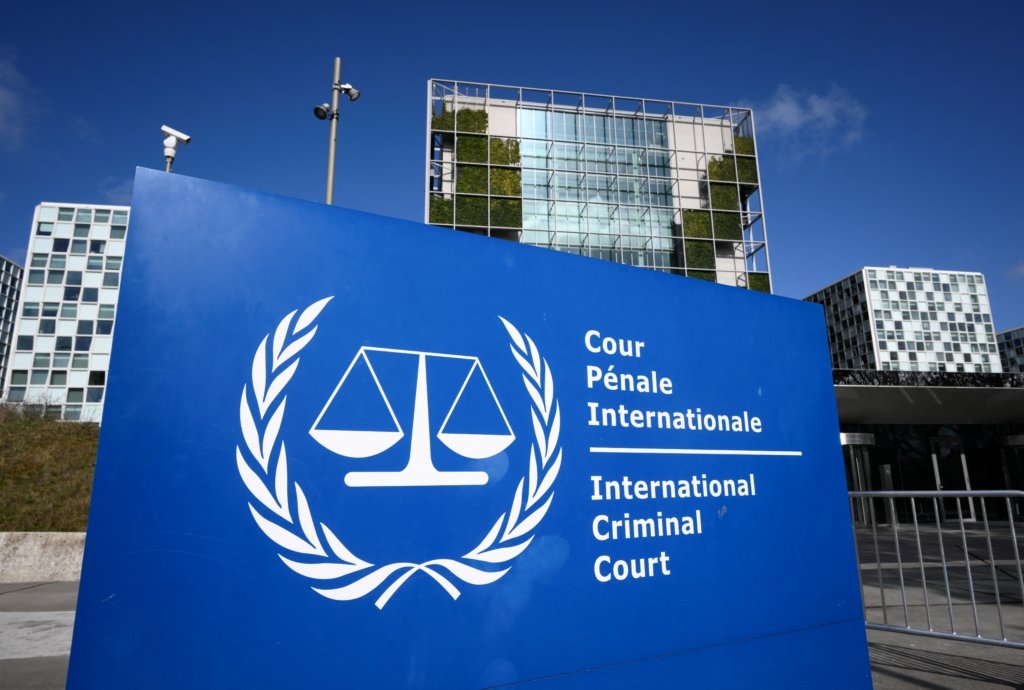
Mali referred the situation to the International Criminal Court (ICC) in July 2012. Following the opening of an investigation in January 2013, the ICC Prosecutor found a reasonable basis to believe war crimes had been committed. The FIDH collaborated with ICC missions, advocating for victim participation and a gender-sensitive approach. While the Malian justice system stalled due to overwhelming caseloads, the ICC pursued charges.
In 2018, after years of investigation, Al Hassan was arrested in Niger. In 2024, the ICC rendered its judgment, finding Al Hassan guilty. However, the verdict failed to adequately account for gender considerations, leaving a sense of impunity regarding sexual crimes. Despite this, the 2026 order for reparations for 65,202 victims marks an unprecedented development where gender-based harm is recognized by the Court even without a specific conviction for those acts.
Future Challenges
The FIDH continues to work to ensure no crime goes unpunished in Mali. With other alleged perpetrators still at large, the organization urges Mali to cooperate with the reparations process, despite the country’s recent decision to withdraw from the Rome Statute.
This report was produced by the HuMedia newsroom.