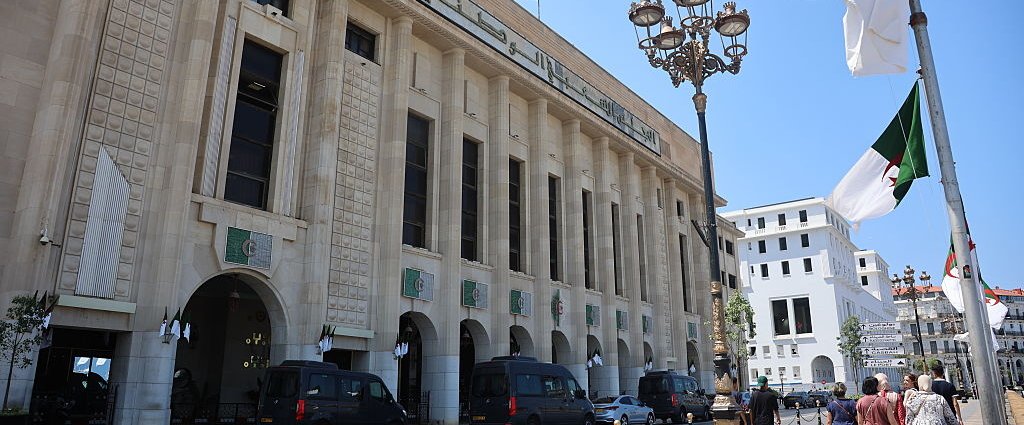
The National People’s Assembly in Algeria has approved legislative amendments that expand the scope of the death penalty, marking a significant shift in penal policy after more than three decades without any executions. Diana Eltahawy, Deputy Middle East and North Africa Regional Director at Amnesty International, condemned the decision as a severe blow to human rights and a direct contradiction of Algeria’s international commitments.
The vote occurred just one month after devastating wildfires swept across northeastern Algeria between August 26 and 30. In response to the fires, President Abdelmadjid Tebboune directed the Minister of Justice to amend the Penal Code to “reinstate” the death penalty for those convicted of intentionally setting blazes. The President warned that sentences would be carried out immediately upon the exhaustion of appeal rights, while the Justice Minister cautioned the press that executions would be activated.
Amnesty International criticized the speed of the legislative process, noting it bypassed effective consultation with stakeholders, including human rights NGOs and lawyers. The new provisions apply capital punishment to loosely defined acts such as inciting, encouraging, or facilitating arson via social media, as well as kidnapping, torture, and sexual assault against children. This expansion is viewed as a dangerous regression that contradicts Algeria’s consistent support for UN General Assembly resolutions calling for a moratorium on executions with a view toward abolition.
El Tahawy emphasized that while the wildfires require comprehensive investigations and accountability, the tragic loss of life should not justify further state-sanctioned killings. She described the death penalty as the ultimate cruel, inhuman, and degrading punishment, representing an irreversible deprivation of the right to life. Instead of expanding its use, she urged Algerian authorities to formally halt executions as a first step toward total abolition.
Current Algerian law prescribes penalties for intentional arson ranging from three years to life imprisonment, with the death penalty applicable only if the fire results in death. Although no executions have been carried out since 1993, courts continue to issue death sentences, particularly in murder cases and occasionally in politically motivated trials. In July 2025, authorities had already expanded the death penalty to include certain drug-related offenses.
As a state party to the International Covenant on Civil and Political Rights, Algeria is bound by provisions restricting capital punishment to “most serious crimes,” typically involving intentional killing. The Covenant also establishes abolition as a general objective for member states retaining the penalty. Amnesty International maintains its opposition to the death penalty in all circumstances, regardless of the nature of the crime or the guilt of the accused.
This report was produced by the HuMedia newsroom.