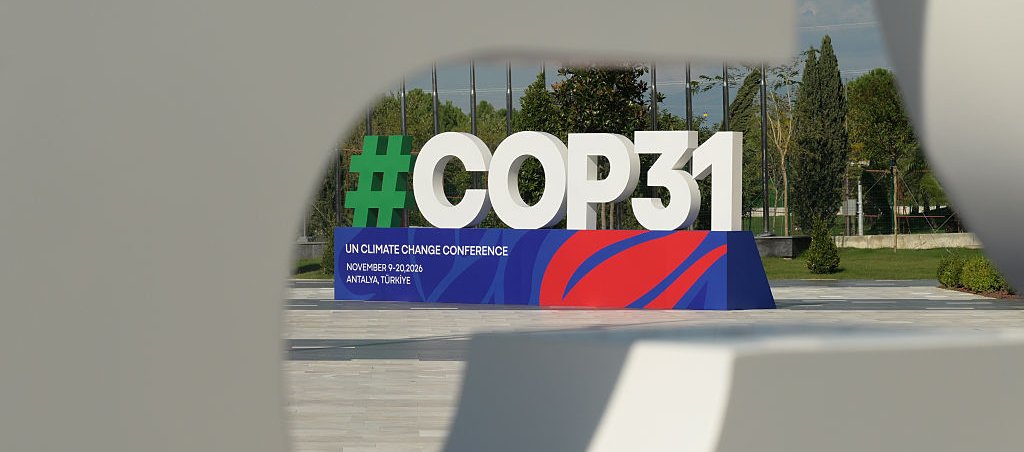
Amnesty International has issued a urgent call for global leaders attending the 31st Conference of the Parties (COP31) to cease supporting the fossil fuel industry and initiate a rapid, fair phase-out of these energy sources. The organization argues that such measures are mandated by science, human rights principles, and international law. Marta Shaf, Director of the Climate, Economic and Social Justice and Corporate Accountability Programme at Amnesty International, emphasized that the current climate crisis is not driven by a lack of knowledge but by political cowardice.
“Warnings about climate change are abundant, as are excuses,” Shaf stated. She noted that after more than three decades of negotiations, governments can no longer hide behind promises of future action or avoid confronting their allies in the fossil fuel sector. Amnesty International asserts that it is time to end the stranglehold of corporations on political decision-making and conclude the era of fossil fuels before they cause irreversible harm.
This statement follows a stark warning from the United Nations Environment Programme (UNEP) ahead of COP31, indicating that the world is on track to exceed the 1.5-degree Celsius warming threshold. Governments, particularly those bearing the greatest responsibility for the climate crisis, remain distant from taking necessary actions to limit the extent and duration of this overshoot and to lower temperatures again. Communities are already suffering devastation from droughts, wildfires, severe storms, floods, glacier melt, and rising sea levels. Any additional increase in global warming, however slight, will exacerbate damage to human rights.
Exceeding the 1.5-degree threshold poses a risk in itself, potentially triggering critical tipping points and causing irreparable damage regardless of future temperature reductions. Governments must now translate pledges into concrete decisions that reduce emissions, accelerate the phase-out of fossil fuels, finance just transitions, and protect people from worsening climate impacts. This is not optional; the International Court of Justice has clarified that states have obligations under international law to prevent serious climate damage, regulate activities contributing to climate change, and cooperate to protect current and future generations.
COP31 serves as a critical test of governments’ willingness to meet these commitments. Shaf urged leaders to take bold and decisive climate action, noting that even temporary overshooting of the 1.5-degree threshold should never be used as an excuse for surrender or further delay. The conference must contribute to limiting the magnitude and duration of this overshoot, lowering temperatures, and protecting people from greater harm.
The climate crisis transcends borders, yet its consequences vary significantly. Recent catastrophic floods in Nepal and Tibet following a partial glacial lake outburst in the Himalayas highlighted how resource-poor communities often face the harshest risks. This underscores the urgent need for international cooperation and adequate funding from high-income countries to finance just transitions and enhance climate adaptation in low-income nations. “No country can tackle this crisis alone,” Shaf said, pointing out that those who contributed least to global warming often suffer the most.
Amnesty International outlined specific demands for COP31, including accelerating a complete, rapid, fair, and financed phase-out of fossil fuels proportional to responsibilities and capacities. Transitions must rely on renewable energy while protecting workers, indigenous peoples, and communities directly affected by climate change, without repeating existing violations or creating new demand for fossil fuels, including from AI data centers. High-income countries with historical responsibility for greenhouse gas emissions must significantly increase grant-based climate financing, potentially through higher taxes on the ultra-wealthy and fossil fuel companies.
Turkey, hosting COP31, and Australia, leading the negotiations, face a crucial leadership test due to their continued reliance on fossil fuels. Turkey remains heavily dependent on coal and plans to expand fossil gas production, while Australia is one of the world’s largest exporters of coal and liquefied natural gas. Shaf criticized both nations, stating that leadership means accelerating the end of fossil fuel use, not finding new ways to prolong it. The organization also called for robust accountability frameworks to exclude conflicts of interest and ensure voices of affected communities are heard, noting that indigenous peoples and environmental defenders worldwide are resisting destructive projects but often face criminalization and retaliation.
This report was produced by the HuMedia newsroom.