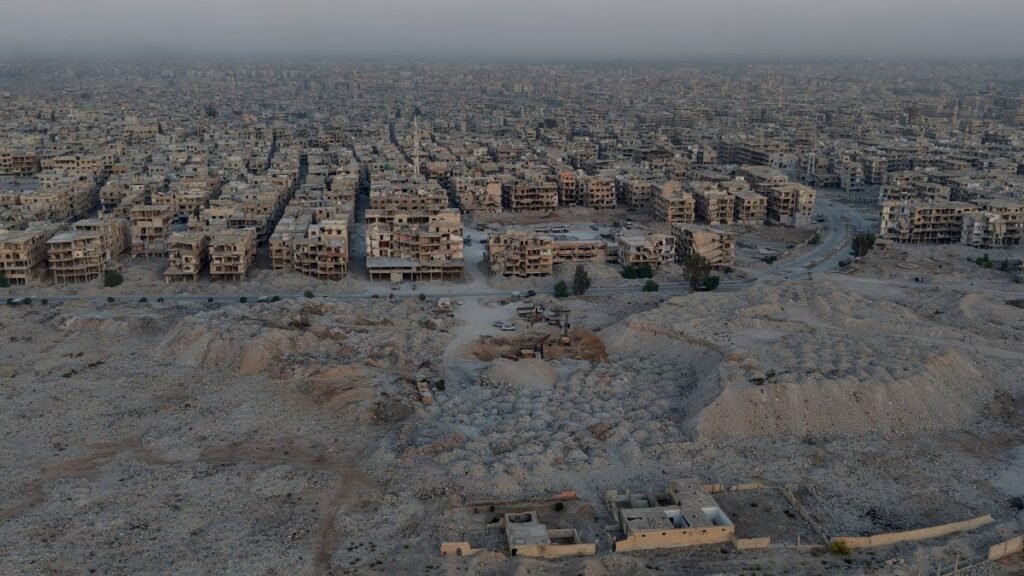
Human Rights Watch stated on Monday that the long-standing humanitarian crisis in Taiz, Yemen’s third-largest city, has worsened significantly since October 2026. During this period, armed Houthi forces fully encircled the city, severing the last remaining main supply route and launching attacks against it. Since then, the city has faced acute shortages of fuel, food, water, medicine, and cooking gas, alongside strict restrictions on the access of humanitarian agencies.
Houthi forces have besieged Taiz since 2015, at the outset of the conflict with the Yemeni government. While government-backed forces control the city center, Houthi troops cut all major roads connecting Taiz to the rest of the country, most notably the route linking Taiz to Aden. Although international law does not prohibit military sieges, the Houthi blockade has severely restricted civilian movement and hindered the delivery of essential goods to residents for 12 years.
Nico Jafarnejad, Yemen and Bahrain researcher at Human Rights Watch, said: “The Houthis’ renewed efforts to cut off food, water, and medicine to Taiz show their complete disregard for civilian lives. Throughout the 12-year siege of Taiz, the Houthis have bombed and starved one million city residents and denied them humanitarian aid, with no regard for international law.” She called on the Houthis to immediately open vital routes to deliver essential goods and aid to civilians in Taiz, urging all warring parties to facilitate the safe passage of aid and civilians.
Human Rights Watch spoke to 15 people in October, including five residents, four doctors, and six civil society workers. A Houthi spokesperson told the organization on October 21 that Yemeni government forces, not Houthi forces, were closing roads leading to the city. However, residents, civil society workers, and UN officials blamed the Houthis for the supply shortages.
One resident reported that vegetables were already “very scarce” with prices doubling. Another spent three days searching for wheat and flour without success. On October 14, the UN World Food Programme stated it could not reach “more than 600 thousand people in Taiz who rely on humanitarian assistance,” describing this as “extremely worrying” because most Taiz directorates are classified as emergency hunger levels. The program also noted that “wheat flour stocks are running out” and remaining market supplies might only last a short time if access restrictions continue.
On October 23, Yans Larqueh, spokesperson for the UN Office for the Coordination of Humanitarian Affairs (OCHA), stated that “20 days have passed since Taiz was isolated; time is running out.” The crisis affects not only food but also water, fuel, and medicine supplies. A local civil society organization head explained that the core issue is fuel, as food transport depends on it, and truck driver costs have doubled.
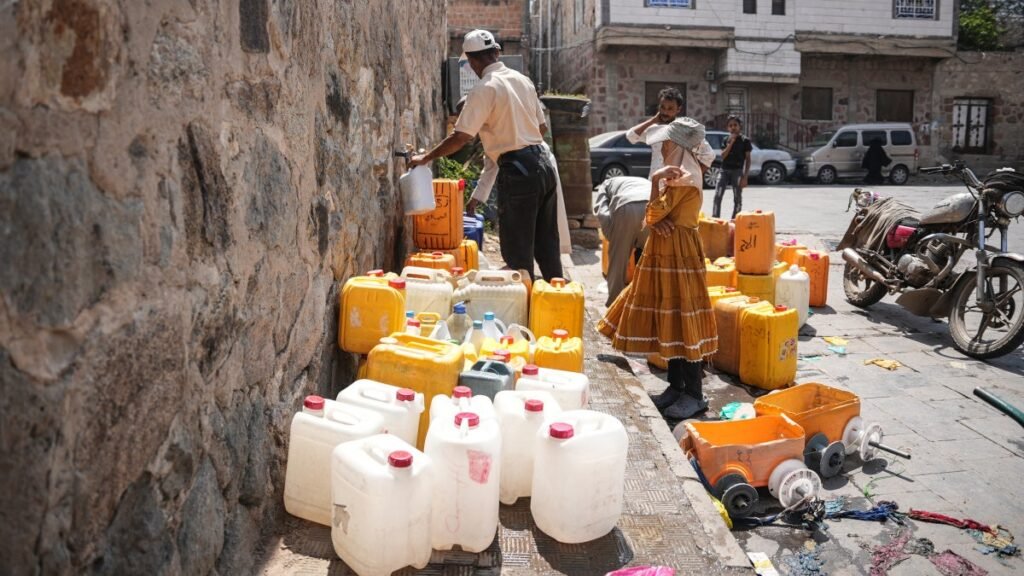
Residents described difficulties obtaining food and cooking gas. One aid association manager said cooking gas prices rose by approximately 400%. Fuel shortages also impacted water availability. Achille Ayer, UNICEF representative in Yemen, noted that “diesel shortages threaten to stop water pumps,” while the cost of water transported by trucks tripled after the escalation. Laurent Bukera, UN humanitarian coordinator in Yemen, said on October 20 that water production in Taiz had halved and alternatives were “running out.” The Houthis have previously restricted water access, which Human Rights Watch found violated residents’ right to water, and they block water tankers from entering the city.
The siege has also severely impacted healthcare. Doctors reported that closed roads and fuel shortages prevented many patients, especially those with cancer, kidney disease, and hypertension living outside the center, from reaching hospitals. A doctor noted that even patients in government-controlled areas struggle to access care due to difficult mobility and expensive or unavailable fuel. Medical staff reported critical shortages of anesthesia, essential medicines, and oxygen, threatening surgeries, intensive care, dialysis, and newborn care. Many health facilities rely on diesel generators; one doctor reported his facility stopped working for three days due to diesel depletion. Bukera warned that the health system in Taiz is on the verge of collapse, with energy and oxygen shortages threatening hundreds of lives.
This report was produced by the HuMedia newsroom.