More than 100 humanitarian, human rights, and civil society organizations state that the ceasefire in Gaza exists only in name. One year after the agreement was reached, Israeli forces continue to kill and injure Palestinians daily. Restrictions on aid, equipment, and reconstruction materials prevent families from recovering. The organizations warned that killing and deprivation must not become normalized under the guise of a ceasefire.
Casualties and Displacement
During the past year, Israeli airstrikes, shootings, and military operations resulted in the deaths of more than 1,400 Palestinians, including at least 327 children. Families and rescue teams have recovered hundreds of bodies from rubble with bare hands due to restrictions on machinery. Many remain buried and inaccessible. The Israeli military has pushed its so-called “Yellow Line” deeper into Gaza, violating the withdrawal line stipulated in the agreement. This action confines Palestinians to a shrinking, increasingly crowded area.
Destruction and Winter Crisis
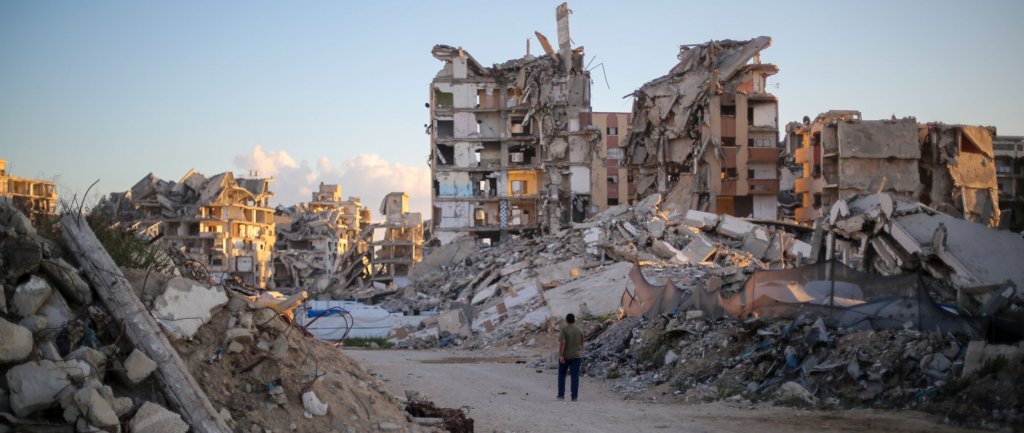
Satellite imagery reveals widespread destruction, with neighborhoods reduced to ruins and agricultural land leveled. More than 80% of facilities in Gaza are damaged, including two-thirds destroyed completely. As winter approaches, hundreds of thousands live in tents or temporary shelters, facing their fourth winter exposed to cold, wind, and floods. Women heading households now represent one in four families, increasing the likelihood of living in unsafe conditions. In September, 21 people, including 12 children, died when a damaged building collapsed in Gaza City.
Healthcare Collapse
None of the 36 hospitals in Gaza operate at full capacity due to shortages of medicines, equipment, and fuel. Newborns in incubators, patients requiring oxygen or intensive care, the elderly, and those with disabilities face severe risks. Over 18,500 patients, including at least 4,000 children, need medical evacuation, while more than 1,000 died waiting. Unsafe water and destroyed sewage networks spread preventable diseases. Meanwhile, 1.4 million people face crisis-level hunger or worse by year-end.
International Response
Mohsen Abu Ramadan of the Palestinian NGOs Network stated that local organizations remain first responders despite destroyed offices and reduced budgets, calling for government protection and direct funding. Ingri Aashing of Save the Children noted that approximately one child dies daily, urging governments to ensure safety and resources. Jan Egeland of the Norwegian Refugee Council criticized the minimal improvement after a year, highlighting impossible choices between dangerous buildings and tents. Agnes Callamard of Amnesty International emphasized that accountability cannot be buried under rubble, linking recovery to international law and justice.
This report was produced by the HuMedia newsroom.