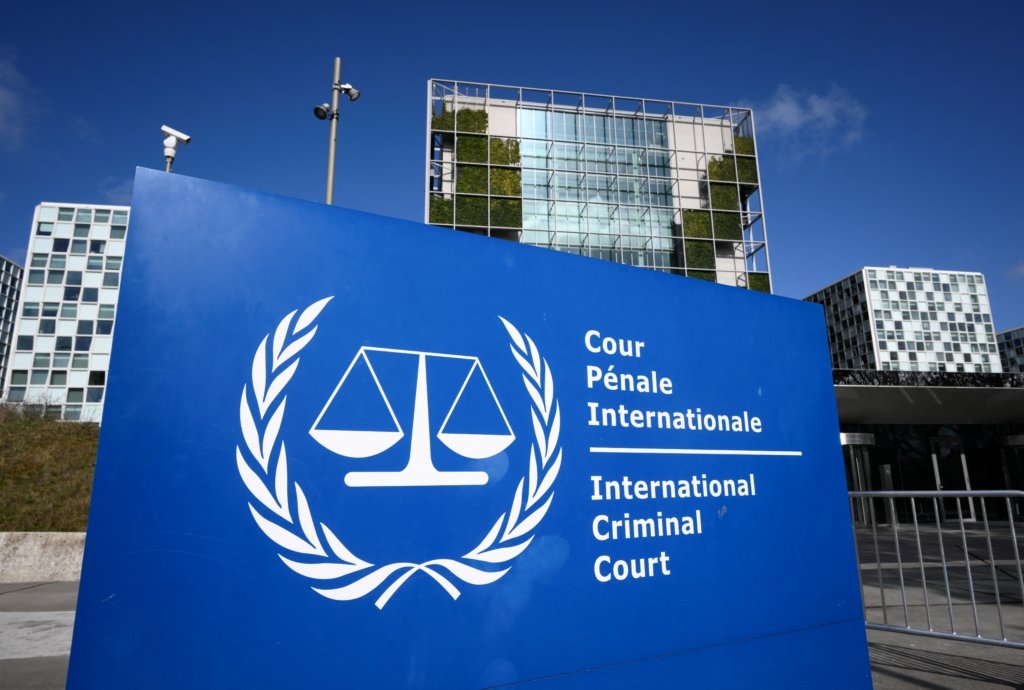
Amnesty International has issued a stark warning regarding the United States administration’s decision to impose sanctions on the International Criminal Court (ICC), describing the move as an existential attack designed to dismantle the global judicial body. The organization asserts that these measures are intended to thwart any possibility of holding perpetrators of serious crimes under international law accountable.
Erika Guevara Rosas, the organization’s Senior Director of Research, Advocacy, Policy, and Campaigns, stated that the Trump administration’s strategy aims to isolate and ultimately destroy the ICC. She emphasized that this assault must fail and called for tangible actions from nations to resist the imposition of these penalties and effectively safeguard the court’s operations.
Rosas highlighted that hesitation, appeasement, and reluctance to confront attacks on international justice have previously emboldened those seeking to undermine legal frameworks. She described the current moment as a critical turning point requiring courage, solidarity, and decisive action. The struggle for the ICC was framed as a primary battleground between those who insist that law should be subject to powerful interests and those fighting to maintain accountability, equality before the law, and justice for victims.
The statement underscored that the future of the ICC and international justice itself depends on whether governments and peoples are willing to defend it. Described as one of the most significant achievements of the post-war international system, the court embodies the principle that officials responsible for genocide, crimes against humanity, and war crimes can be held accountable regardless of their influence, position, or nationality. While not perfect, the court remains a primary, and sometimes the only, avenue for uncovering truth, achieving justice, and providing reparations.
Recent developments include arrest warrants issued against Russian President Vladimir Putin and Israeli Prime Minister Benjamin Netanyahu. Additionally, former Philippine President Rodrigo Duterte is scheduled to face trial next month. These cases illustrate the high-profile nature of the court’s recent work.
With 125 state parties, the ICC relies on the support of its members. Amnesty International urged these nations to provide political and financial backing, enact legislation at regional and national levels to counter the extraterritorial effects of foreign sanctions, ensure continued access to essential services and platforms, and fully cooperate with investigations and arrest warrants. The organization concluded that a line has been crossed, threatening the ability to hold the most powerful figures accountable under international law. Defending this boundary is now a duty for all who believe in human rights, international law, and equal justice for everyone.
This report was produced by the HuMedia newsroom.