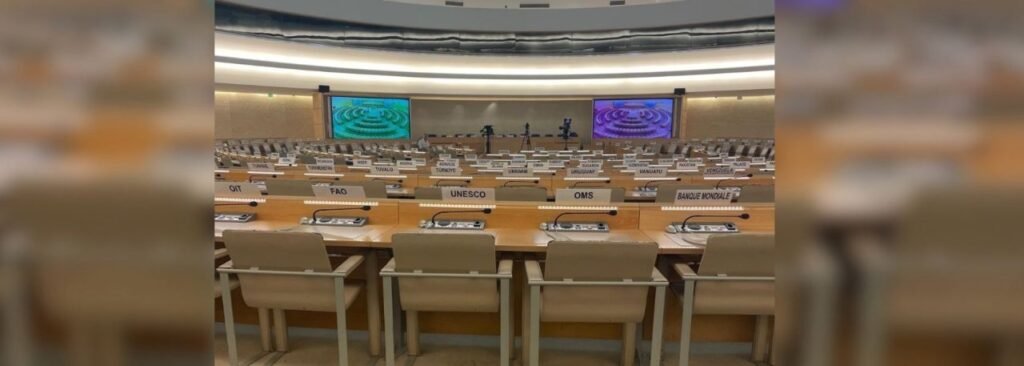
The United Nations Human Rights Council has concluded its 63rd regular session in Geneva, finalizing a package that includes 34 resolutions, two decisions, and one presidential statement. The outcomes notably feature the renewal of several country-specific and thematic mandates aimed at addressing ongoing crises in nations such as Afghanistan, Sudan, Venezuela, and Burundi. The International Federation for Human Rights (FIDH) acknowledged these developments but emphasized that member states must now focus on translating these diplomatic choices into sustained scrutiny, accountability, and tangible protection for victims of human rights violations.
Country-Specific Mandates Renewed
FIDH highlighted the importance of maintaining international oversight in Afghanistan, where the Special Rapporteur’s mandate was renewed. This continuation is deemed essential as the Taliban government continues to institutionalize systematic discrimination against women and girls. Similarly, the extension of the Independent International Fact-Finding Mission’s mandate for Sudan addresses the urgent need for investigations into the devastating harm inflicted on civilians, including efforts to hold those enabling the conflict accountable.
In the Russian Federation, the renewal of the Special Rapporteur’s mandate responds to intensifying repression against human rights defenders, journalists, and opponents of the war against Ukraine. For Burundi, the mandate renewal precedes the 2027 presidential election, aiming to protect civil society amidst deteriorating democratic spaces. Additionally, the Fact-Finding Mission on Venezuela received a two-year renewal to independently document violations and assess whether current developments signal genuine progress toward ending repression and impunity.
New Resolutions and Ongoing Concerns
Beyond specific countries, the Council adopted resolutions concerning Georgia and Yemen under its technical assistance agenda. FIDH cautioned that technical support should not substitute independent monitoring where serious concerns persist, noting that the response to Yemen falls short of requirements. The Council also introduced new resolutions addressing artificial intelligence, specifically focusing on the rights of women and girls in digital contexts, alongside measures targeting racism, migrant rights, and the rights of peasants.
Despite welcoming these advancements, FIDH expressed deep concern over the escalating conflict in Ethiopia, urging the Council to remain prepared to convene special sessions if necessary. A significant underlying issue remains the UN’s financial crisis, which threatens the Council’s capacity to fulfill its mandate. FIDH called on states to ensure that all renewed mechanisms are adequately resourced and independent, stressing that the true measure of success lies in the impact on individuals whose rights are violated.
This report was produced by the HuMedia newsroom.