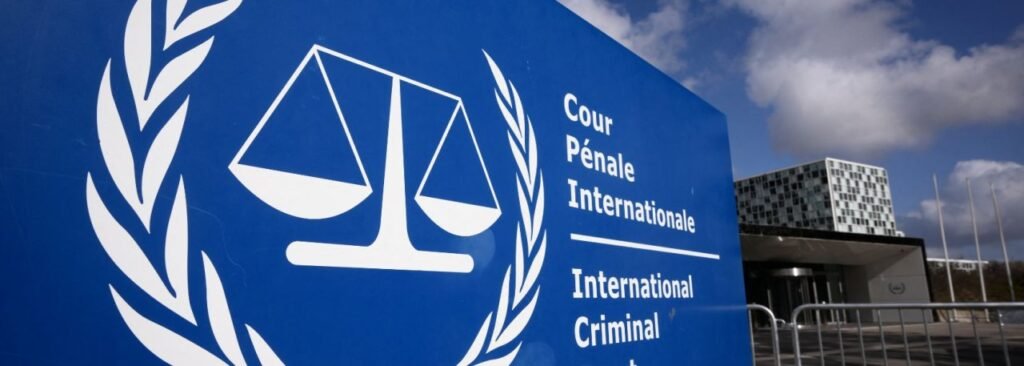
Paris, The Hague, 9 October 2026. The International Federation for Human Rights (FIDH) has issued a strong condemnation of the United States decision to sanction the International Criminal Court (ICC). This move follows a series of previous penalties imposed on ICC judges, prosecutors, and human rights organizations, marking an unprecedented escalation that threatens the Court’s ability to fulfill its mandate.
The measures are described as so sweeping that Washington was forced to create special exceptions for basic operational activities. These exemptions cover essential functions such as paying salaries, maintaining critical services, and caring for detainees. Despite these narrow allowances, the administration has made its intentions clear. Secretary of State Marco Rubio stated explicitly: “Either the ICC will end its threats, or we will end the ICC.”
The impact extends beyond the judicial body itself. Civil society organizations that document atrocities, preserve evidence, support witnesses, and assist victims in seeking justice have already faced sanctions, financial restrictions, and intimidation. Three FIDH Palestinian member organizations—Al-Haq, Al Mezan, and the Palestinian Centre for Human Rights (PCHR)—have been directly sanctioned.
In September, FIDH joined Amnesty International and 36 other organizations to submit a joint amicus curiae brief. This legal document supported a lawsuit challenging the Trump administration’s sanctions regime, documenting how these measures disrupt civil society work and threaten victims’ access to justice globally.
Alexis Deswaef, President of FIDH, emphasized that this situation represents the ultimate test for the ICC’s 125 States Parties. He argued that establishing a court to hold the powerful accountable is meaningless if states stand by while it is dismantled. Deswaef called for collective action to protect the Court, civil society, and the victims who depend on them.
FIDH urges States Parties, particularly the European Union and the Netherlands as the host state, to move beyond verbal support. The organization demands immediate concrete actions, including demanding the withdrawal of sanctions, adopting effective legal and financial safeguards, protecting civil society groups, and guaranteeing the Court’s continued operations and independence.
This escalation occurred just hours after former ICC judge Navi Pillay was awarded the Nobel Peace Prize. FIDH highlighted the striking contrast between the recognition of the fight against impunity and simultaneous efforts to undermine international justice. The stakes extend far beyond The Hague. If powerful states can punish independent courts and those seeking accountability, the fundamental principle that no one is above the law is at risk.
This report was produced by the HuMedia newsroom.