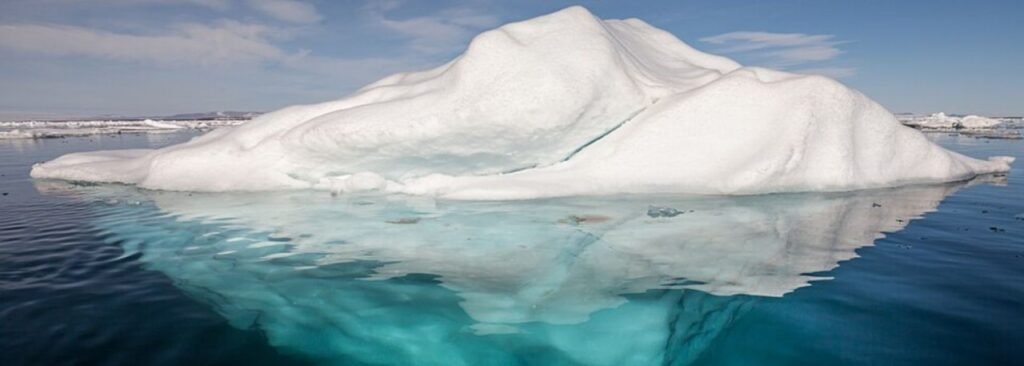
The European Commission has officially confirmed to media outlets that it will uphold the ban on new oil and gas drilling activities within the Arctic region. This confirmation precedes the scheduled presentation of the updated Northern Neighbourhood Strategy, which is set to be unveiled on October 20. The decision marks a firm stance by the EU institutions despite fierce opposition from certain member states and corporate entities involved in energy extraction.
Civil Society Mobilization Influences Policy
The maintenance of this regulatory barrier against fossil fuel exploration is directly attributed to an unprecedented wave of mobilization by civil society organizations. The consultation process conducted by the European Union received over 1,600 submissions, reflecting intense public engagement. Among the key actors driving this momentum was the International Federation for Human Rights (FIDH), which played a pivotal role in shaping the discourse around environmental protection and human rights obligations.
FIDH argued extensively that implementing a moratorium on all new fossil fuel projects, alongside a phased withdrawal from existing ones, is essential for the EU to meet its human rights commitments. The organization emphasized that such measures are not merely environmental preferences but legal and ethical necessities grounded in international law.
Climate Targets and Human Rights
The timing of this decision follows a summer characterized by severe climate-related disruptions, highlighting the existential threats posed by climate breakdown to human survival and fundamental rights. FIDH described the moratorium as a crucial, science-based component necessary to preserve the 1.5-degree temperature target established under global climate agreements. While acknowledging the victory represented by the continued ban, the federation cautioned that this measure alone is insufficient.
Concerns have been raised regarding the escalating demand for “energy transition minerals,” which risks accelerating mining operations in the already fragile Arctic ecosystem. FIDH urged both the European Union and other Arctic States to commit to robust protections for Indigenous Peoples and the ecosystems upon which they depend. The organization stressed that any future environmental action must be grounded in human rights principles, avoiding the reproduction of extractive practices while supporting a genuinely just transition.
This report was produced by the HuMedia newsroom.