Amnesty International has released a new report detailing war crimes committed by members of the Malian Armed Forces operating in conjunction with elements of the Wagner Group. The allegations cover joint operations conducted between June 2023 and December 2025, involving the killing and torture of civilians.
Documented Killings and Drone Strikes
The report, titled “No One Survives,” documents the unlawful killing of at least 34 civilians across seven regions in Mali. These incidents occurred in Ségou, Mopti, and Timbuktu. Amnesty International states that none of the victims were directly participating in hostilities at the time of their deaths. Many were shot while attempting to flee or after being detained, with some having their throats cut or being burned alive.
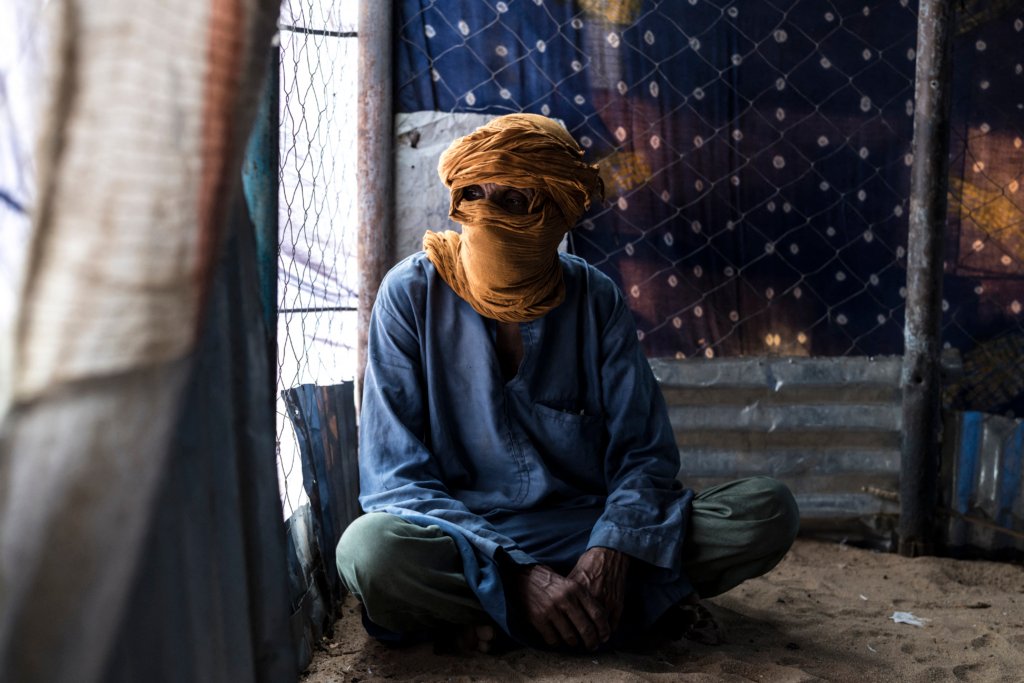
Specific incidents include an attack on February 12, 2025, in Tine Adanda, a small village in Timbuktu. During a joint patrol, four people were killed. Hana*, a survivor who sought refuge in the Mbira camp in Mauritania, reported losing two sons and a relative who were arrested and then executed. She described the operatives as mostly white men accompanied by Malian military personnel.
The report also details two drone strikes carried out by the Malian Armed Forces. On March 16, 2025, a market in Agider was targeted during daylight hours without warning, resulting in at least 16 deaths and seven injuries. All victims were civilians; no combatants were present. In November 2025, a drone strike hit a family home in Tangata, killing at least seven people, including five children. Marsi Sevidou, Regional Director for West and Central Africa at Amnesty International, noted there was no evidence of armed groups or military targets at either site, classifying these as potential war crimes.
Torture and Detention Conditions
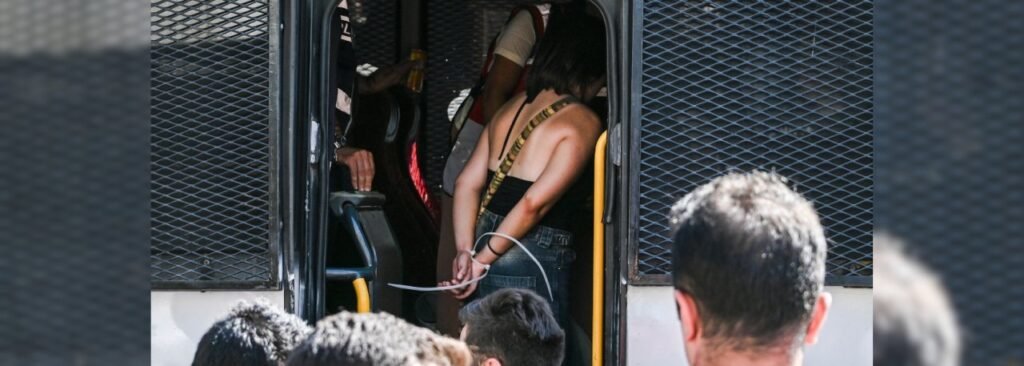
Beyond killings, the investigation highlights severe violations of international humanitarian law, including torture, enforced disappearances, and the looting of civilian property. Amnesty International interviewed 15 survivors of torture from Ségou, Mopti, and Timbuktu. They reported being tortured during joint patrols or while held at military bases in Léré and Nampala.
Eyewitnesses confirmed that 30 individuals were subjected to abuse, including having arms tied to metal bars, simulated drowning, beatings with iron rods, and electric shocks. Five people died in custody due to torture and poor detention conditions. Detainees were not brought before a judge and were denied access to lawyers or family for periods ranging from one day to four months.
The majority of victims belonged to pastoral communities, specifically Fulani, Arab, and Tuarek populations, targeted based solely on ethnic origin and presence in areas where non-state armed groups were active. Most crimes were committed by Wagner elements in the presence of Malian soldiers, who sometimes acted as interpreters or stood by passively.
Call for Accountability
Marsi Sevidou emphasized that the findings paint a horrific picture of civilians trapped in conflict, paying with their lives while impunity prevails. He urged Malian authorities to open honest and effective investigations into the alleged crimes. The organization called for the clarification of the command structure governing foreign individuals in the country and the establishment of an independent local accountability mechanism.
Amnesty International is calling for comprehensive accountability for all war crimes committed against all population groups. This includes investigating and prosecuting Malian Armed Forces members, foreign military partners, and suspected armed group members through judicial procedures consistent with the right to a fair trial, without resorting to the death penalty. The organization also urged the African Union to condemn violations of international humanitarian law and support efforts to combat impunity.
This report was produced by the HuMedia newsroom.