A new joint report published by the Sport and Rights Alliance (SRA) and Football Supporters Europe asserts that FIFA’s leadership failed to implement its own human rights policies during the Men’s World Cup 2026. The document argues that the organization prioritized the pursuit of record revenues at the expense of justice and equality.
Exclusion and Fear
The 50-page report, titled “Profits Over People: The FIFA Men’s World Cup 2026,” documents a tournament dominated by fear resulting from mass detentions and deportations of migrants. It highlights discriminatory visa bans, cost-related barriers, and accessibility issues faced by fans, players, and journalists. Furthermore, it points to opaque protection standards and a lack of effective recourse mechanisms.
Andrea Florence, Executive Director of the SRA, stated that the event demonstrated how FIFA’s priorities placed profits above people’s interests. She noted that access and participation were restricted based on economic status, nationality, immigration status, disability, gender identity, sexual orientation, or political circumstances. Florence criticized FIFA for not only failing to use its influence to ensure compliance with human rights obligations but also for elevating a government accused of human rights violations by awarding US President Donald Trump the FIFA Peace Prize without prior due diligence.
Visa Barriers and Enforcement
The report details how inflated ticket prices, costly visa requirements, and the absence of affordable inter-city transport disproportionately excluded fans with disabilities, those with limited incomes, and individuals from Global South countries. Specific obstacles included delayed or denied visas for Iranian squad members, who had to enter and leave the US on the same day for matches in the country. Somali referee Omar Al-Artan was barred from entering Miami International Airport after an 11-hour interrogation despite holding a valid visa.
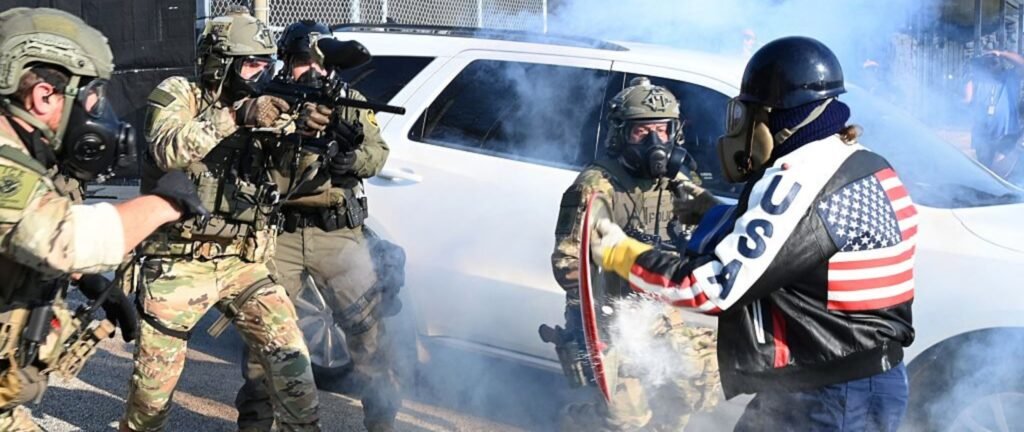
These incidents coincided with aggressive US immigration enforcement. According to Human Rights Watch, Immigration and Customs Enforcement (ICE) carried out over 167,000 arrests in 11 host cities and surrounding areas before the tournament. During the event itself, approximately 10,000 people were detained in five days in late June.
Regional Violations and Press Freedom
In Mexico, police used tear gas against planned protests and detained two journalists. In Canada, street clearance campaigns displaced homeless populations, while immigration authorities rejected more visa applications than they approved, mostly for fans from the Global South. Regarding player eligibility, questions remain about FIFA’s failure to enforce its policy requiring athletes to declare past investigations into sexual violence, given that at least eight players participated despite unresolved allegations.
Independent journalism faced severe restrictions due to a lack of transparency in media accreditation procedures, visa hurdles, and the absence of regular press conferences with senior leadership. Clayton Wymers, Executive Director of Reporters Without Borders US, noted that the US dropped from rank 45 to 64 in their press freedom index during recent years.
Ronan Evans, CEO of Football Supporters Europe, argued that fans were treated as tools for exploitation rather than the heart of the game. He warned that when tickets reach historic highs and loyal fans face discriminatory visa rejections or military-style border measures, the tournament ceases to be a global celebration and becomes an exclusive showcase for the elite.
This report was produced by the HuMedia newsroom.