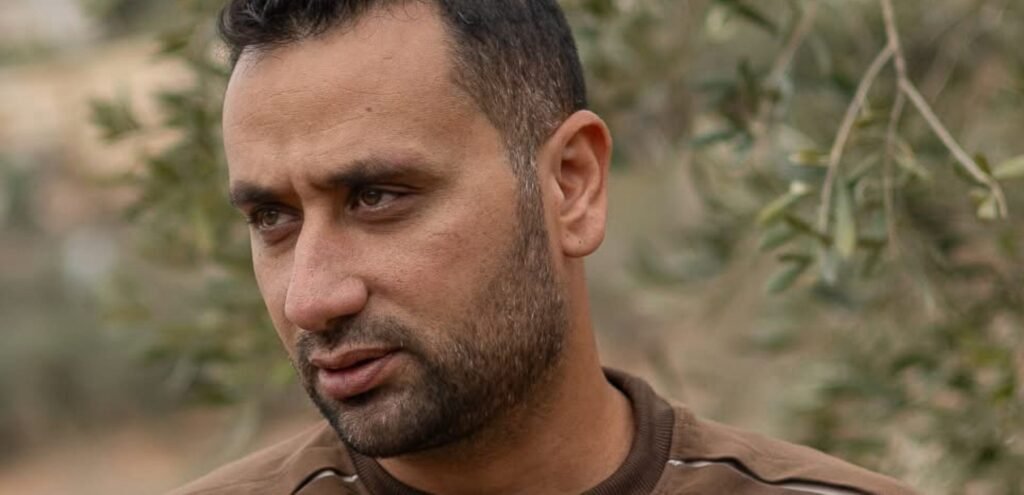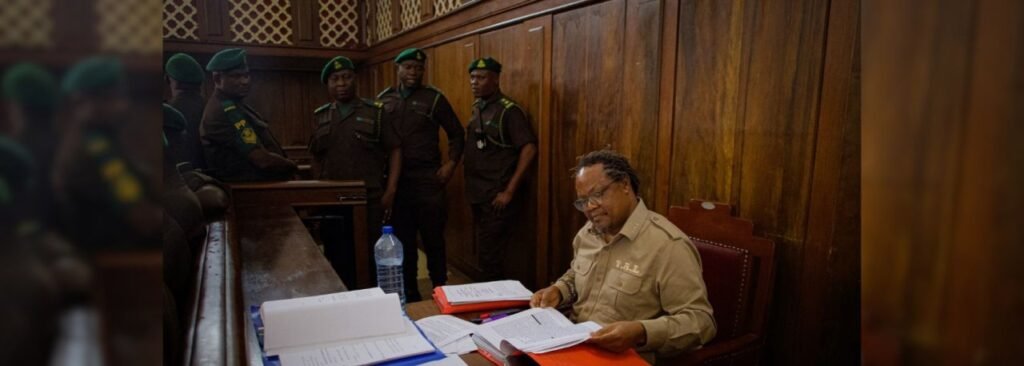
On 6 November 2026, the High Court in Tanzania acquitted Tundu Lissu, the Chairperson of the main opposition party CHADEMA, of charges of treason. However, the court concurrently convicted him of a new offense related to inciting violence during the 2025 General Election, sentencing him to four years in prison. The International Federation for Human Rights (FIDH) and its Tanzanian member organization, the Legal and Human Rights Center (LHRC), issued a joint statement on 9 November 2026 welcoming the acquittal while raising serious concerns regarding the fairness of the trial and the nature of the conviction.
Irregularities in the Trial Process
Tundu Lissu, a human rights lawyer and prominent political figure, was arrested in April 2025 following public calls for reforms during the presidential election campaign. He faced treason charges, an offense punishable by death, and remained in custody throughout the pre-trial period. The trial experienced multiple adjournments before the recent verdict. According to the FIDH and LHRC, Lissu was denied the opportunity to call witnesses or adequately defend himself during the proceedings that led to the incitement conviction. A notice of intention to appeal was filed by his legal team on Friday.
Political Persecution and Repression
Anna Henga, Director of the LHRC and Vice President of FIDH, described the treason acquittal as a relief but emphasized that numerous irregularities marred the process. She characterized the events as political persecution set against a backdrop of repression and shrinking democratic space in Tanzania. Since the 2025 General Election, the country has witnessed an increasingly repressive climate targeting dissenting voices and political opposition. Reports indicate that post-election violence involved extrajudicial killings, enforced disappearances, and arbitrary arrests attributed to security and defense forces.
Demands for Accountability and Fair Trials
Although two Commissions of Inquiry were established to investigate post-election violence, concerns persist regarding their independence, credibility, and ability to ensure accountability. The FIDH and LHRC noted that meaningful measures to guarantee justice and effective remedies for victims remain a pressing concern. These developments reflect wider regional challenges in East Africa, where cross-border intimidation and transnational repression against human rights defenders and activists are becoming increasingly prevalent.
The organizations called upon Tanzanian authorities to ensure that all judicial proceedings comply with constitutional guarantees and international human rights standards regarding fair trials and due process. They demanded respect for Lissu’s right to appeal, ensuring the process is independent, fair, and free from undue delay. Additionally, they urged authorities to consider any application for bail pending appeal fairly and in accordance with the law. The FIDH and LHRC further insisted on the protection of human rights defenders, political actors, journalists, and other individuals exercising fundamental freedoms. They also called for independent, credible, and transparent investigations into post-election human rights violations, with accountability for perpetrators and effective remedies for victims, asserting that the protection of human rights and judicial independence must remain central to Tanzania’s commitment to constitutionalism and the rule of law.
This report was produced by the HuMedia newsroom.