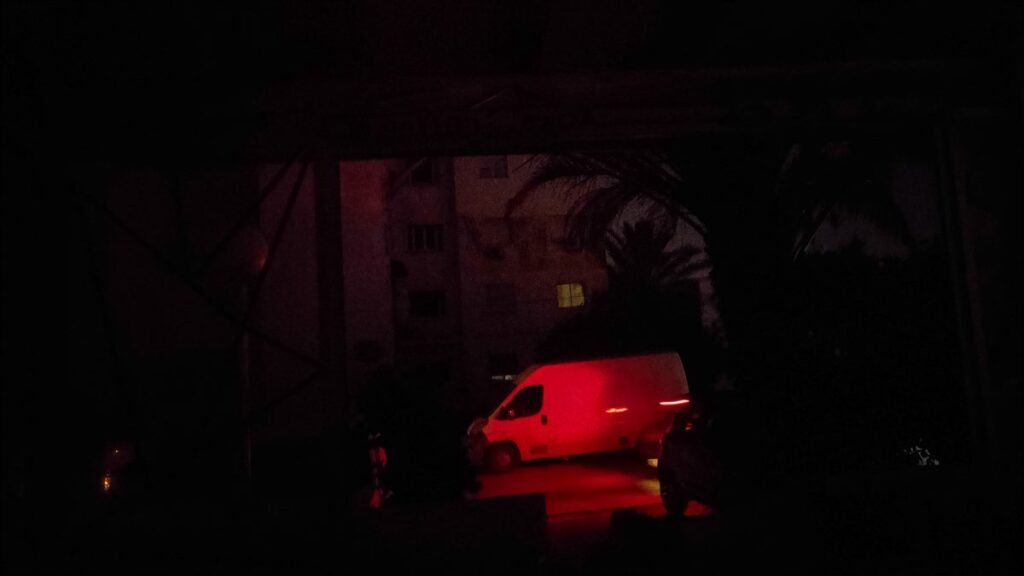
Human Rights Watch stated on Monday that Tunisian authorities neglected to ensure sufficient electricity and water supplies for two months during intense summer heat, thereby undermining the right to health and putting lives at risk. President Kais Saied blamed sabotage for the outages, but authorities provided no transparent information and instead suppressed protesters. Periodic power cuts left hospitals and water pumping stations without electricity, homes without running water, disrupted critical medical procedures, and contributed to nationwide drinking water shortages.
Bassem Khawaja, deputy Middle East and North Africa director at Human Rights Watch, said Tunisians endured one of the hottest summers on record in darkness and water scarcity because President Saied’s government failed to guarantee adequate electricity for millions, endangering lives. He urged authorities to address root causes rather than blaming sabotage, ensuring everyone, including detainees, has access to water, electricity, and cooling.
In July 2026, the second hottest July since 1950, the Tunisian Company of Electricity and Gas imposed periodic blackouts due to insufficient production capacity, according to reports. Outages concentrated between 1 p.m. and 5 p.m., when air conditioning demand peaks. Collective-source data indicated outages lasted up to 12 hours in extreme cases. A second wave in late August caused two-hour interruptions across all regions. Authorities did not publish transparent information on the impact of these blackouts.
The Tunisian Organization of Young Doctors estimated on July 22 that 150 to 200 people died from heatstroke or medical equipment failure in preceding days. On August 28, it reported an “unprecedented” rise in emergency room deaths and hospitalizations due to heat, including among detainees. Local media reported five deaths after home ventilators stopped working. Four parliamentarians wrote to the Health Minister on July 23 regarding patients requiring home oxygen therapy. On August 29, the Ministry of Health reported 633 heat-related medical cases in public hospitals but did not mention associated deaths, denying disruptions to health services.
A doctor at a major Tunis hospital told Human Rights Watch most wards lacked power due to limited generator capacity. Emergency generators only covered intensive care and operating rooms, leaving other areas, including emergency departments, without backup power or contingency plans. Electronic medical records prevented staff from registering arrivals during outages, even for life-threatening cases. Neonatal unit doctors manually assisted newborns with breathing during one blackout, affecting post-surgical recovery.
Power failures also disrupted water supplies. With pumping stations down, public network distribution became intermittent in many areas. The Tunisian Water Observatory recorded 361 drinking water distribution interruptions in August, contributing to bottled water shortages in a country where many rely on it as a primary source. Although the National Authority for the Safety of Food Products stated public water was safe, public trust remained low amid reports of cloudy, yellowish water with taste and odor changes.
Cuts affected prisons and detention sites. Reports on August 28 indicated five detainees died in one day at Mornaguia prison. The Tunisian League for Human Rights documented 20 deaths in prisons and detention facilities under conditions worsened by heat and utility failures. The General Secretary of the Public Union of Electricity and Gas stated the company warned the supervising ministry of electricity shortages and the need for additional capacity since 2024. A 2026 report by the Tunisian Economic Observatory found the company’s electricity generation investments dropped 87% over five years.
Authorities provided no evidence of sabotage. In late July, the public prosecutor opened investigations into managers and employees of the electricity company nationwide. On August 26, President Saied claimed outages were “premeditated acts” aimed at inciting unrest and spreading lies, without providing further details. Human Rights Watch noted the crisis was predictable and authorities had a duty to prepare, ensuring essential services like water and healthcare were unaffected. Poor management and inaction exacerbated the damage.
Protests against water and electricity shortages expanded. The Tunisian Social Observatory, affiliated with the Tunisian Forum for Economic and Social Rights, recorded 1,101 protest actions in July and 1,093 in August across all 24 governorates, the highest figures for these months in years. Following a protest in Borj El Head on August 13 over water shortages, authorities arrested 12 people, including nine children, suspecting conspiracy against state security, releasing them the next day. On August 20, the Nafes Popular Movement organized a demonstration in Tunis under the slogan “No water, no electricity, no freedom.” The next day, authorities arrested activist and movement member Seifeddine Arfaoui at his home. On August 31, a Tunis court sentenced him to 18 months in prison under Article 86 of the Communications Code for a Facebook post about protest slogans.
Human Rights Watch previously documented years of suppression against all forms of opposition in Tunisia. It stated that electricity is essential for realizing other rights, including health, housing, water, and education, and should be recognized as an independent human right. Tunisia is obligated to ensure access to electricity and water, including in prisons and detention centers. Article 48 of the Tunisian Constitution requires the state to provide drinking water to all on an equal basis. The International Covenant…
This report was produced by the HuMedia newsroom.