Arrest and Detention Conditions
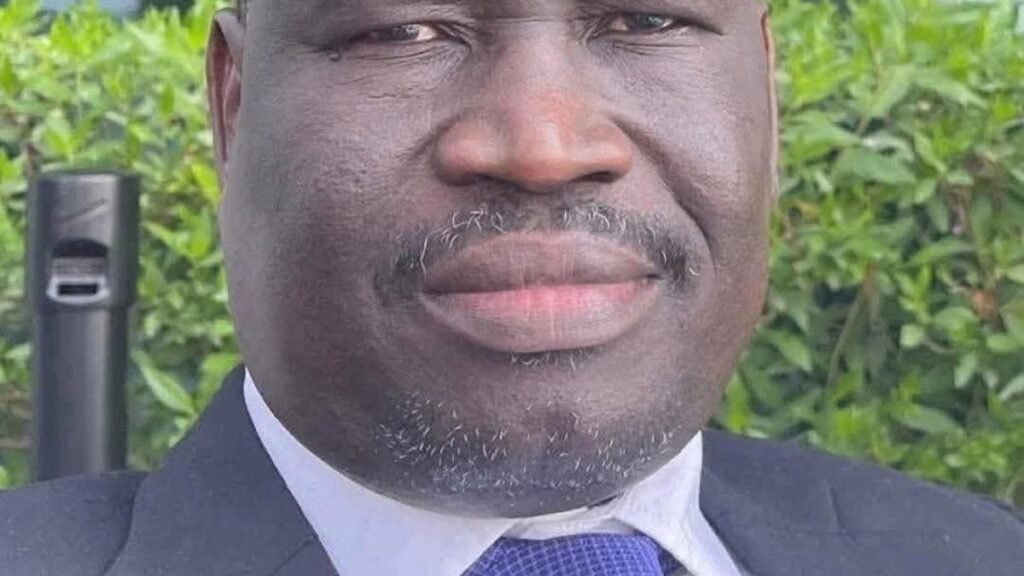
Human Rights Watch stated on Monday that South Sudanese political analyst Samuel Peter Oyai continues to be held in the United Arab Emirates without any formal charges following his arrest a year ago. The UAE authorities have not disclosed the legal basis for his detention to his family. Oyai fled South Sudan in 2014 due to safety concerns and subsequently moved to the UAE, where he managed a private business. During his residence there, he regularly wrote for independent platforms focused on South Sudan, accusing his home government’s elite of corruption.
The UAE and South Sudan have strengthened their bilateral ties in recent years. In 2025, President Salva Kiir visited the UAE at least three times. Joy Shiya, a senior researcher for the UAE at Human Rights Watch, noted that the UAE government’s policy of allowing no peaceful criticism increasingly targets critics of Abu Dhabi’s foreign allies residing in the country. She called for Oyai’s immediate release.
Context of the Arrest
In his last article published before his arrest on September 21, 2025, Oyai criticized the trial of Riek Machar, the suspended vice president and leader of the main opposition party, describing it as a ploy by President Kiir to weaken a rival rather than seek justice. On September 22, 2026, President Kiir dissolved the transitional government, likely paving the way for elections while trials of Machar and other prominent opposition figures continued.
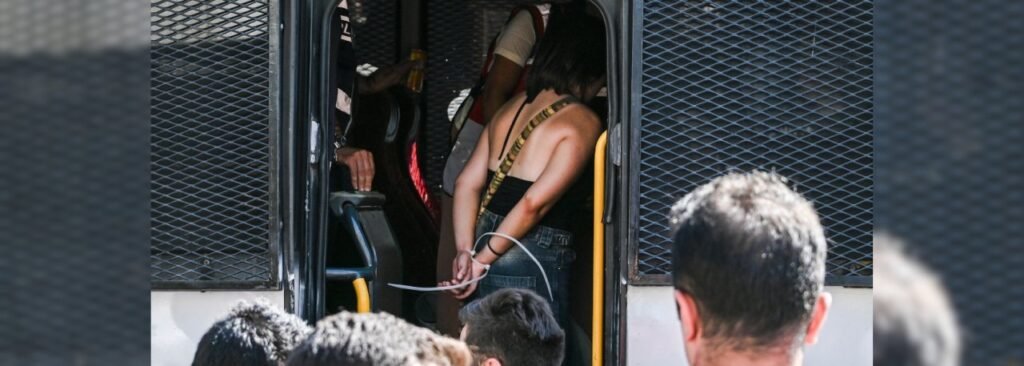
On September 30, 2025, UAE security forces in plain clothes arrested Oyai in front of his four children at their home in Dubai after a two-hour search of the residence. According to an informed source speaking to Human Rights Watch, the security forces did not present a warrant to Oyai’s family during the arrest nor informed him of the charges or legal grounds. The source added that authorities allowed Oyai to contact his family after two weeks but did not reveal his location for five months. On February 24, 2026, Oyai informed the source that he was held at Wathba Prison, though he was transferred to another prison on March 3.
Legal Framework and International Obligations
Oyai is permitted only one short phone call per week. His family attempted to visit him on March 3, 2026, but was told he had been transferred again. They finally visited him on July 8, 2025, after being contacted by authorities on July 1, but have not been able to see him since. Human Rights Watch has previously documented the arbitrary detention, enforced disappearance, and forced return of exiled South Sudanese critics with the support of the South Sudanese government.
The UAE’s State Security Agency Law of 2003 grants broad powers to detain individuals for long periods without judicial oversight. Article 28, read with Article 14, allows the head of the agency to detain anyone for up to 106 days if there are reasonable grounds to believe they engaged in activities harming national security, unity, or the economy. This law violates international human rights standards, including Article 14(5) of the Arab Charter on Human Rights, which requires detainees to be brought before a judge without delay. The UAE ratified the Charter in 2008. Human Rights Watch urged the UAE to ensure all detainees appear before an independent judge within 48 hours to review the legality and necessity of their detention.
This report was produced by the HuMedia newsroom.